
What the Governor General's Canadian Leadership Conference Taught Me About Youth Mobility and Canada's Future
By Dan Hendry, Program Director, Get on the Bus
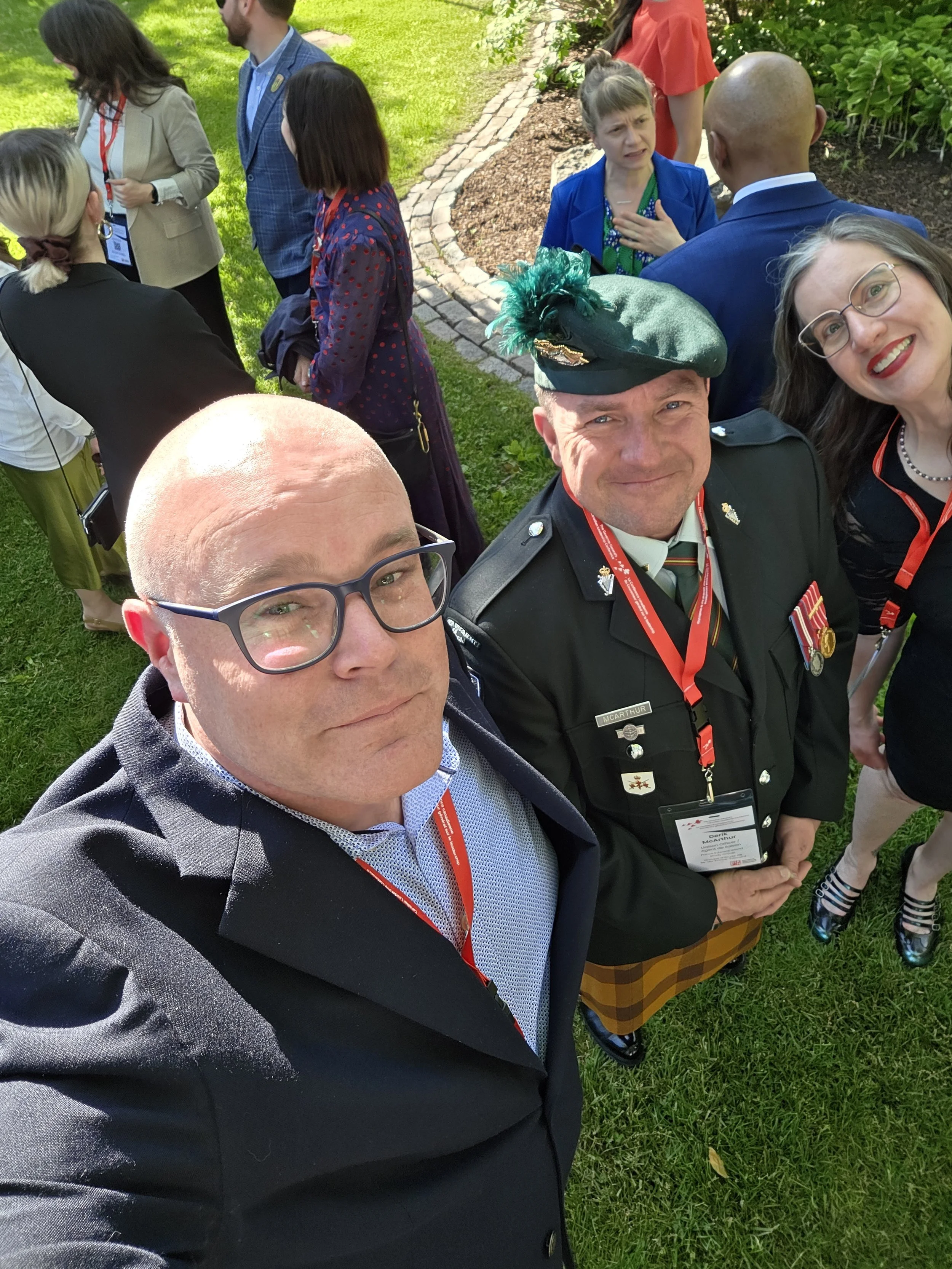
When I received the email that I had been selected for the Governor General's Canadian Leadership Conference, I was honoured and excited. While the selection was made based on my own experiences and leadership journey, I quickly realized that I wasn't heading to Québec City alone. I would be carrying with me the stories, lessons, partnerships, and aspirations of the Get on the Bus movement and the many people who have contributed to it over the years.
As Program Director for Get on the Bus, supported by Small Change Fund, I have worked alongside students, educators, transit providers, municipalities, advocates, and community organizations to expand youth mobility opportunities across Canada. Our movement is rooted in a simple idea: when young people can move independently through their communities, they gain access to opportunities that help them learn, grow, connect, and contribute.
What I didn't fully appreciate before attending the conference was just how connected that idea is to so many of the challenges and opportunities facing Canada today.
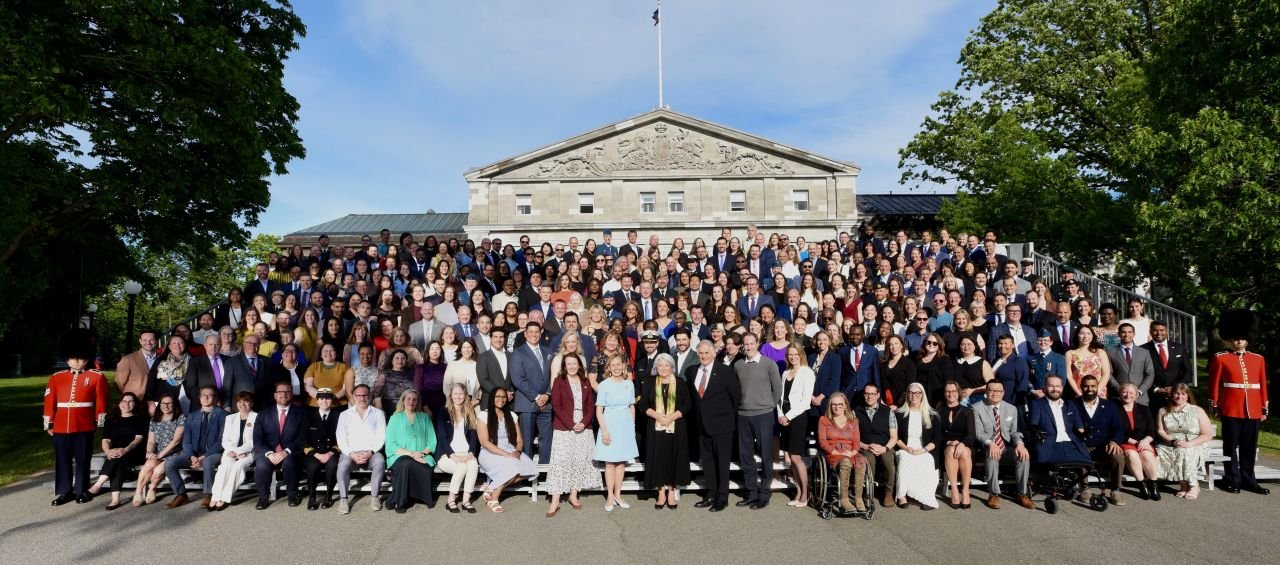
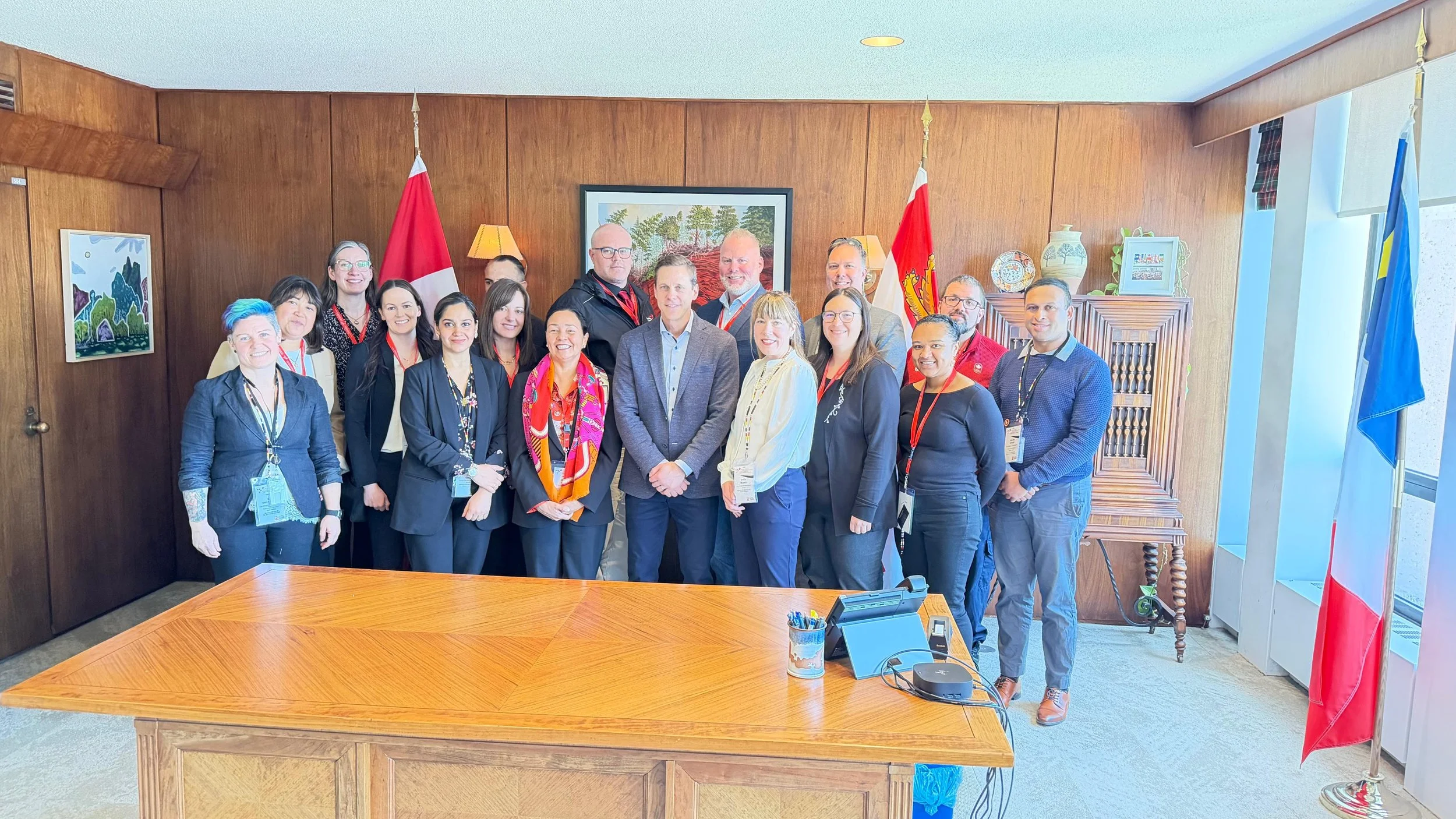
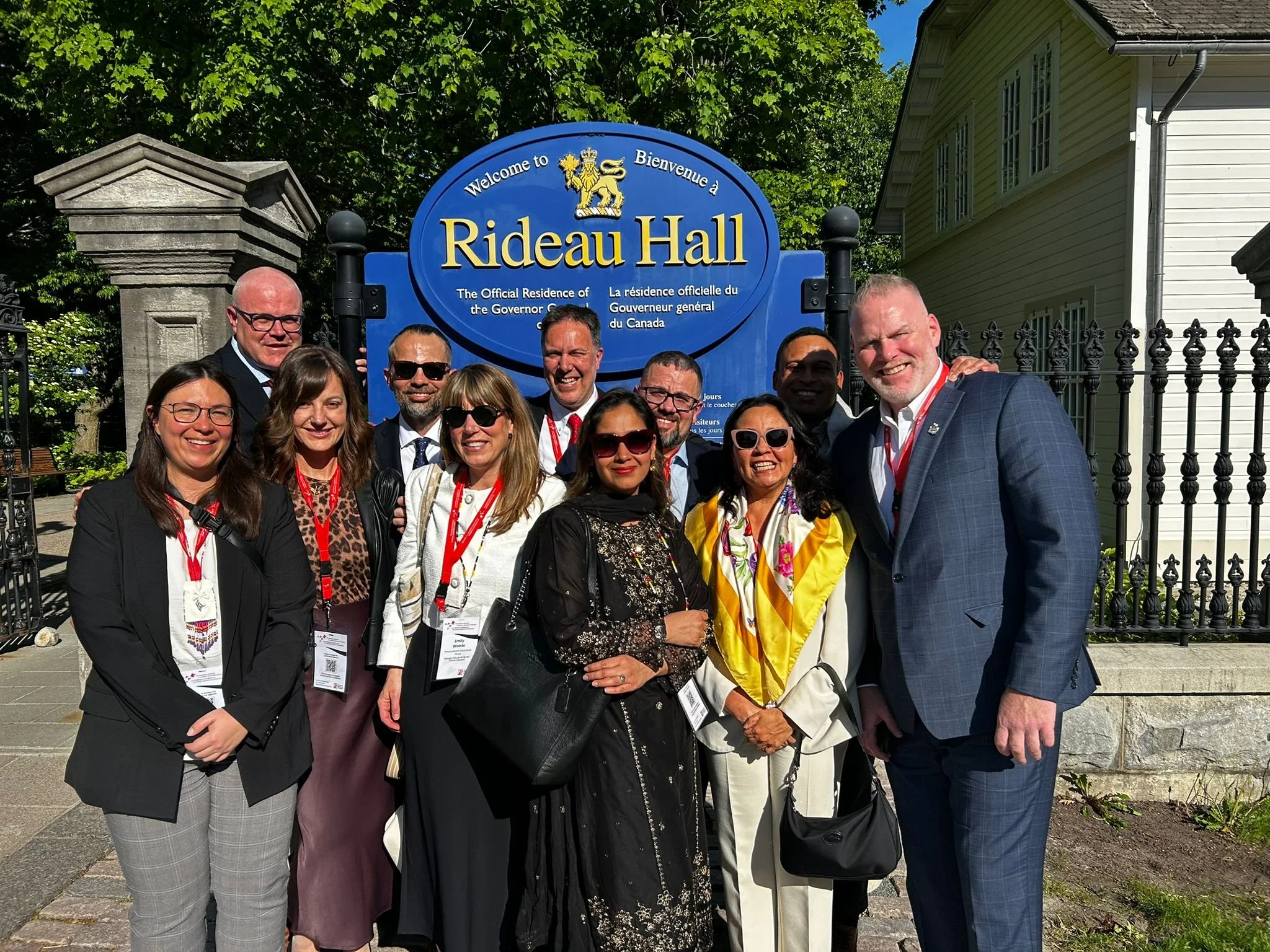
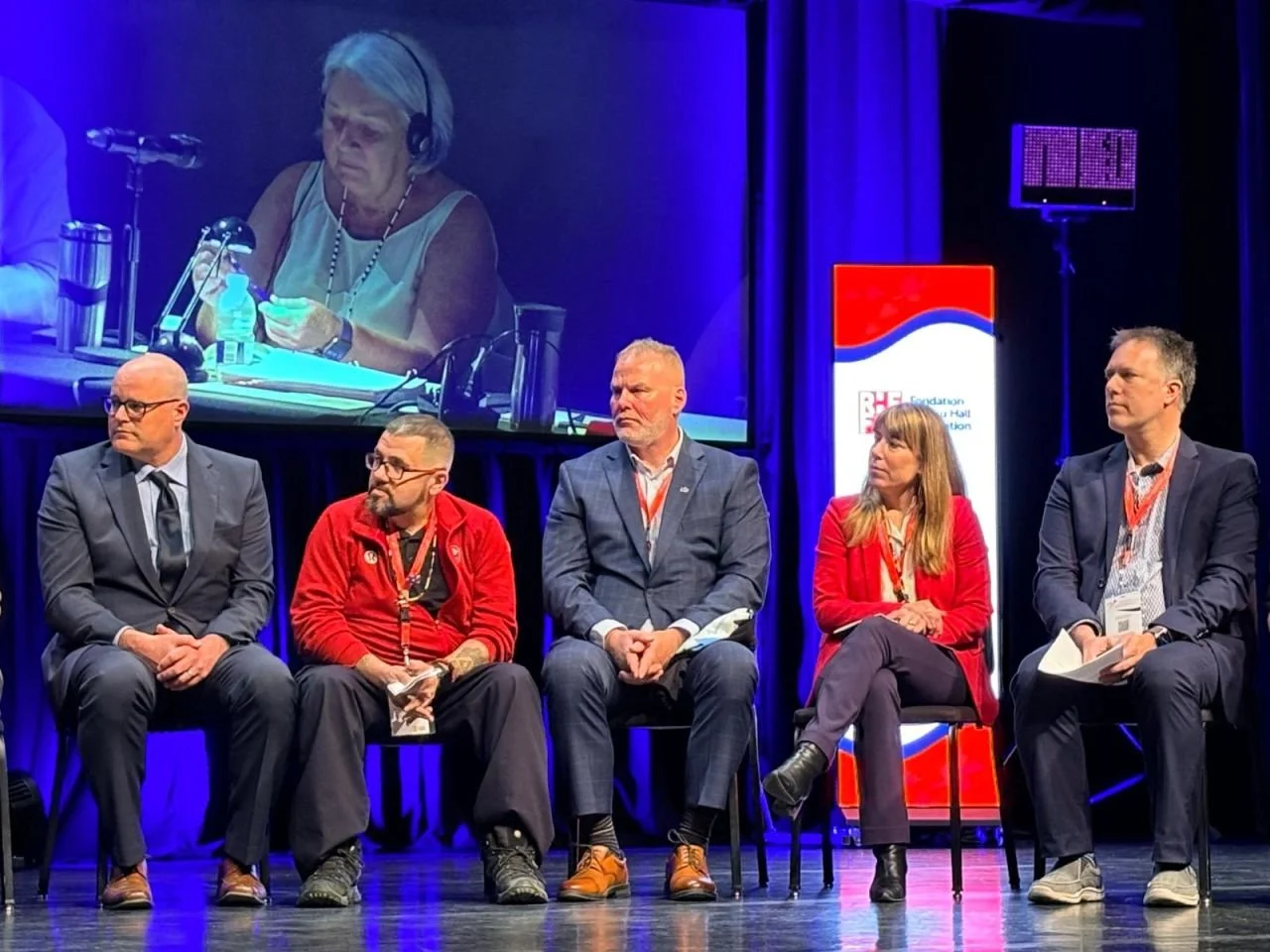
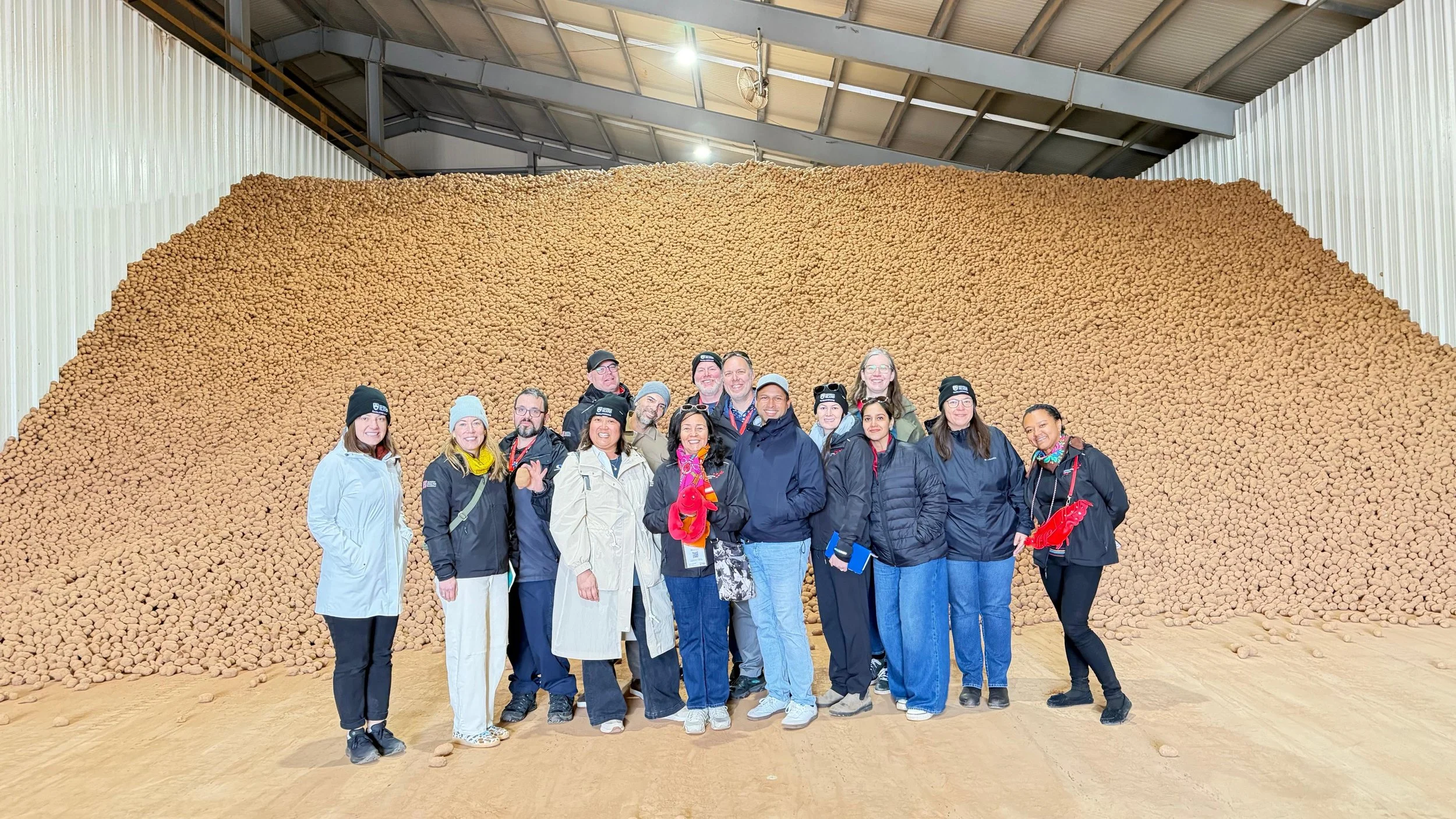
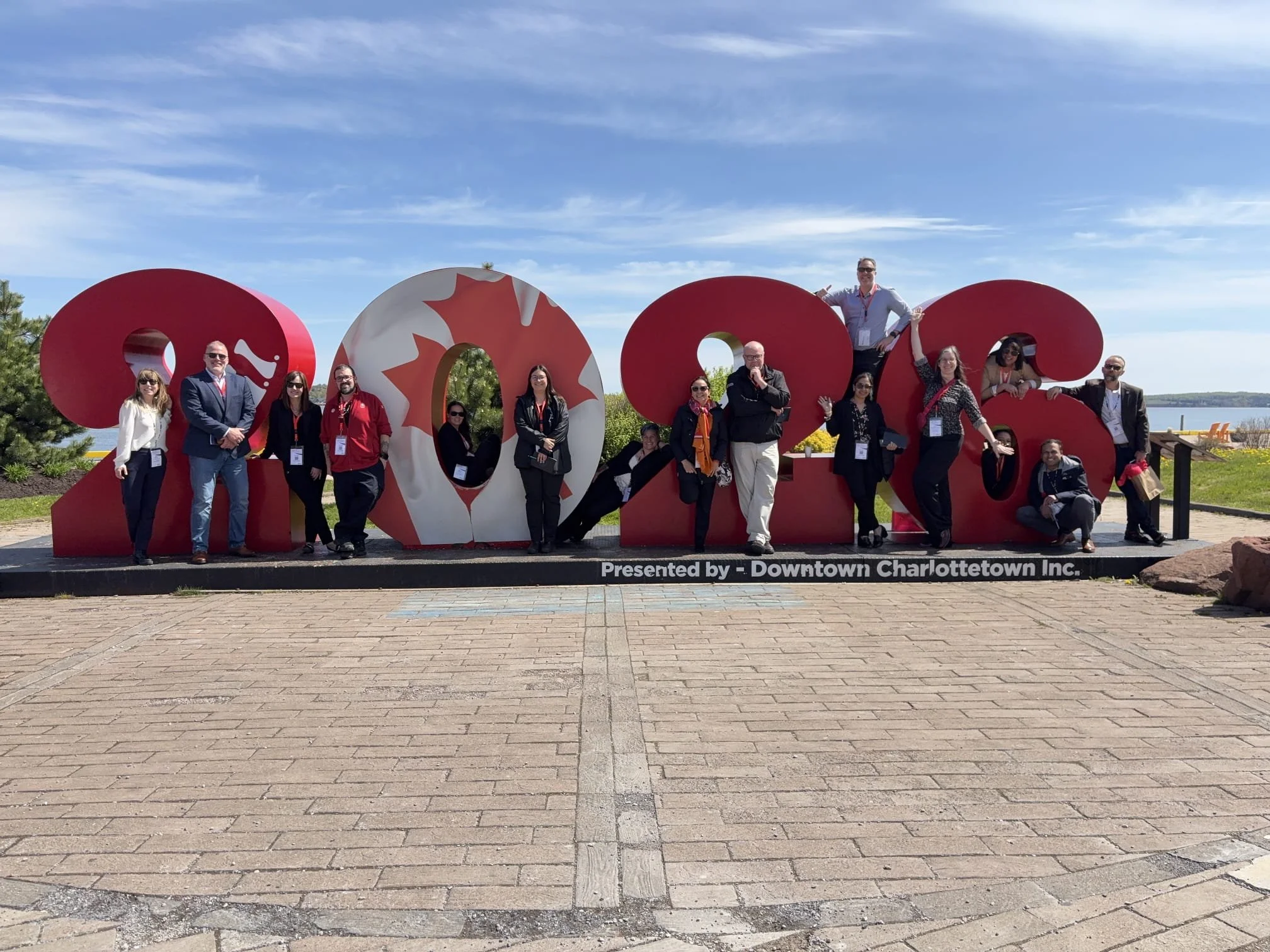
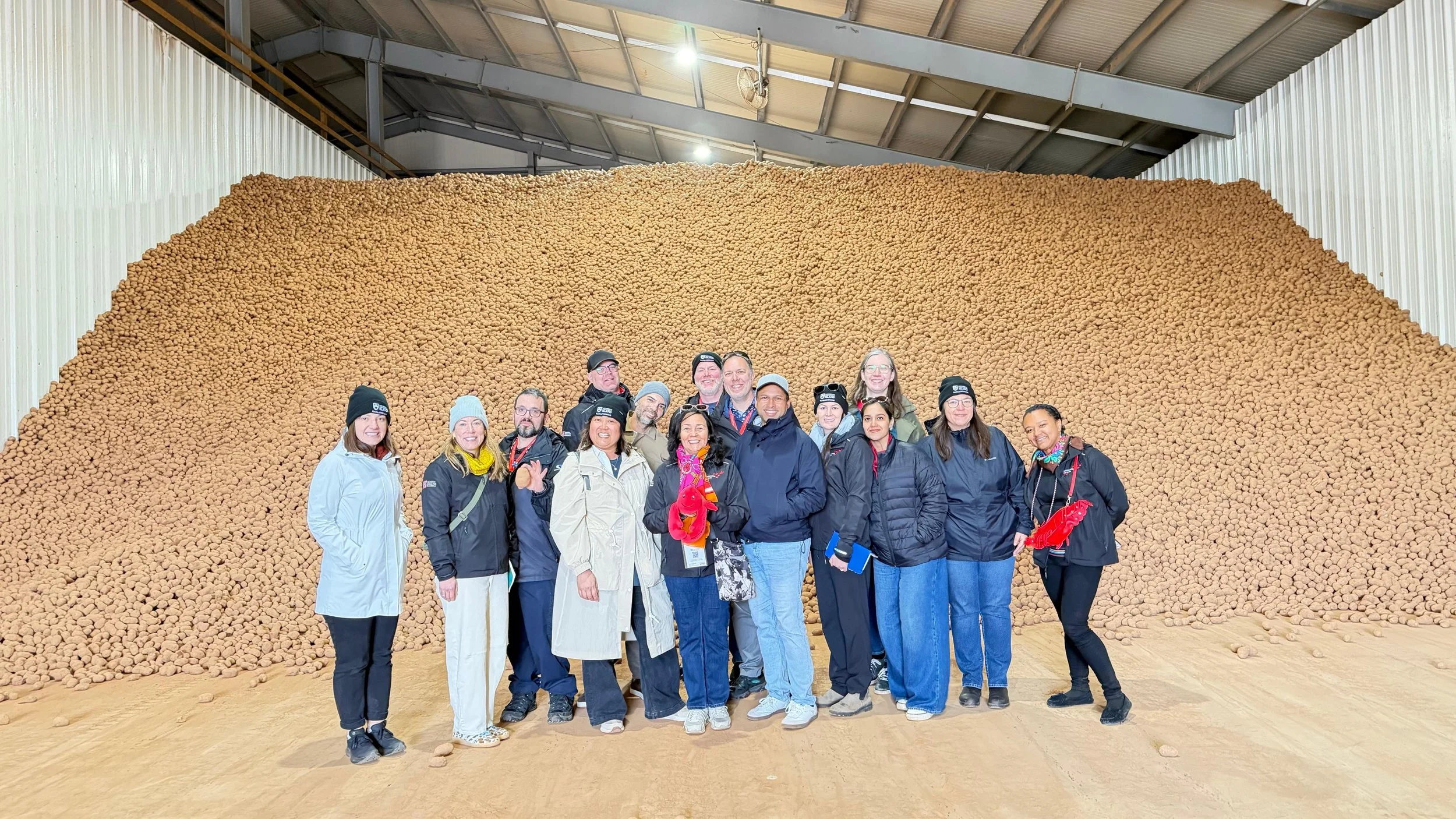
Beginning in Québec City on May 21, I joined an incredible group of national leaders representing diverse sectors, professions, backgrounds, and lived experiences. Over the following nine days, my study group met with more than 45 organizations and heard from well over 100 individuals. We explored topics that ranged from economic development and food security to healthcare, housing, climate change, Indigenous reconciliation, innovation, education, and national sovereignty.
The conference was intense. Alumni had warned that it would challenge us and leave us exhausted. They were absolutely right. There were moments when it felt like drinking from a firehose of information, perspectives, and emotions. Yet, what made the experience so valuable was not simply the volume of information but the opportunity to see Canada from so many different perspectives.
Throughout, I found myself coming back to a simple question: how do people participate if they cannot get where they need to go? No matter the topic of conversation, mobility was often sitting quietly beneath the surface. We rarely think about transportation until it becomes a barrier. Yet, for many young people that barrier can shape almost every aspect of their lives.
A student cannot easily access a part-time job if transportation is unavailable. They cannot attend extracurricular activities if they have no way to get there. They may struggle to volunteer, participate in civic life, access community services, connect with peers, or explore educational opportunities beyond their immediate neighbourhood.
One of the most important lessons I took away from the conference is that youth mobility is not simply a transportation issue. It is deeply connected to many of the issues Canadian leaders care about. It connects to climate action because public transit helps reduce emissions and creates more sustainable communities. It connects to accessibility because people need reliable ways to participate, regardless of their circumstances. It connects to equity and anti-racism because opportunities should not depend on a person's income, neighbourhood, or background. It connects to economic development because communities thrive when people can access jobs, education, and services.
In many ways, mobility is what allows people to participate in all the other things we value.
This realization was reinforced repeatedly throughout the conference. As I listened to leaders working in different sectors, I began to see how often our goals overlap. We may use different language, focus on different issues, and work in different environments, but many of us are ultimately trying to achieve the same outcome: creating communities where people can thrive.
The conference also strengthened my belief that we need to think differently about public transit. Across Canada, communities invest significant resources into transit infrastructure, vehicles, and operations. Yet too often we focus only on moving people from one place to another. What if we thought more about building a culture of mobility?
When young people learn how to use transit, become comfortable navigating their communities, and experience the freedom that mobility provides, they are more likely to continue using public transportation as adults. They become future riders, future advocates, and future leaders who understand the value of investing in shared transportation systems.
Without fostering this culture, transit can become an underutilized asset. With it, transit becomes part of the fabric of a community.
Perhaps most importantly, the conference reinforced the significance of collaboration. The challenges facing Canada are too complex for any one organization, sector, or level of government to solve alone. Throughout the study tour, we were constantly reminded that meaningful change happens when people work together, listen to one another, and recognize the interconnected nature of the issues we face.
That lesson mirrors the very foundation of the Get on the Bus movement. Everything we have accomplished has happened because educators, transit agencies, municipalities, youth organizations, funders, community leaders, and advocates have chosen to work together. Progress happens when we stop seeing mobility as solely a transportation issue and begin recognizing it as a tool for community building, opportunity, and inclusion.
When we returned to Ottawa and presented our findings to the Governor General, I found myself reflecting not only on what I had learned, but on what I wanted to bring back. I returned home with new ideas, new relationships, and renewed confidence that youth mobility belongs in conversations about Canada's future.
This experience reinforced something that many of us in the movement have long believed: helping young people move through their communities is about much more than providing rides. It is about building confidence, independence, opportunity, belonging, and participation. It is about helping people access the things that allow them to live full and meaningful lives.
I am deeply grateful to the Governor General's Canadian Leadership Conference for the opportunity to participate, and to Small Change Fund for supporting Get on the Bus and helping create the conditions that made this experience possible. Most importantly, I am grateful to the countless young people, educators, transit professionals, municipal leaders, and community advocates whose experiences informed the conversations I carried with me throughout this journey.
The conference did not provide easy answers to Canada's challenges. What it did provide was something equally valuable: a reminder that progress is possible when people are willing to listen, learn, collaborate, and imagine something better.
I am more convinced than ever that youth mobility deserves a place in national conversations about climate, accessibility, equity, education, and community development. If we want young people to participate in their communities, build connections, access opportunities, and become engaged citizens, we must first ensure they can get there.
Sometimes, the path to a stronger Canada starts with something as simple as a ride.
