
Beyond the Bus Pass: How Data Reveals the True Impact of Social Programs
Connecting Kingston’s Findings to Impact Analysis
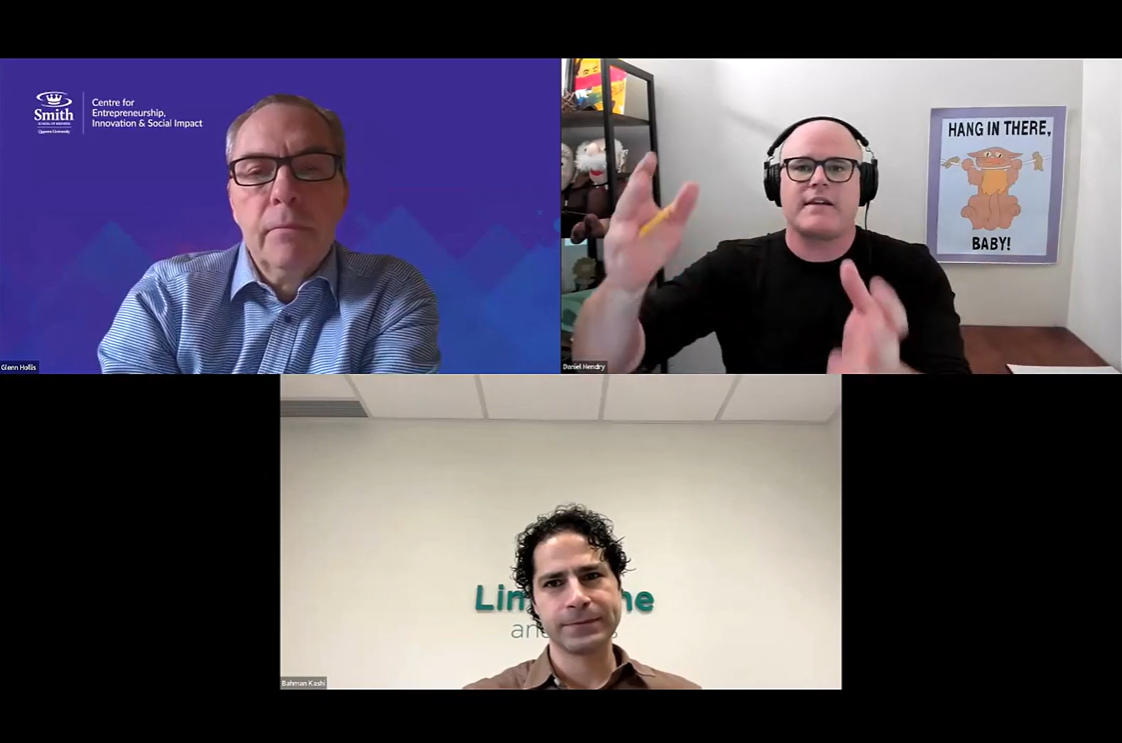
In November 2025, I had the privilege of joining a webinar hosted by Queen’s University through the Certificate in Professional Impact Analysis (CPIA) program. Dr. Bahman Kashi and I discussed the impact of investing in youth access to transit and the need to rigorously measure what truly works.
For me, this session was especially meaningful because it highlighted something we don’t always see in community initiatives: a thoroughly completed cost-benefit and cost-effectiveness analysis, in this case of youth transit access in Kingston.
The CPIA program is designed to help leaders, policy specialists, and social sector professionals “assess, measure, manage and evaluate” the real-world impact of policies and investments. That lens is exactly what our sector needs more of.
Commissioned by the Ontario Association of School Board Officials, the recent analysis of Kingston’s High School Transit Pass Program reinforces the impact that many of us have witnessed on the ground for years. The study found that the program generates about $2 million in annual societal benefits, compared with roughly $0.57 million in costs, yielding a strong positive return. With a benefit-cost ratio of approximately 3.6, the evidence clearly shows this is not just good social policy – it is smart public investment.
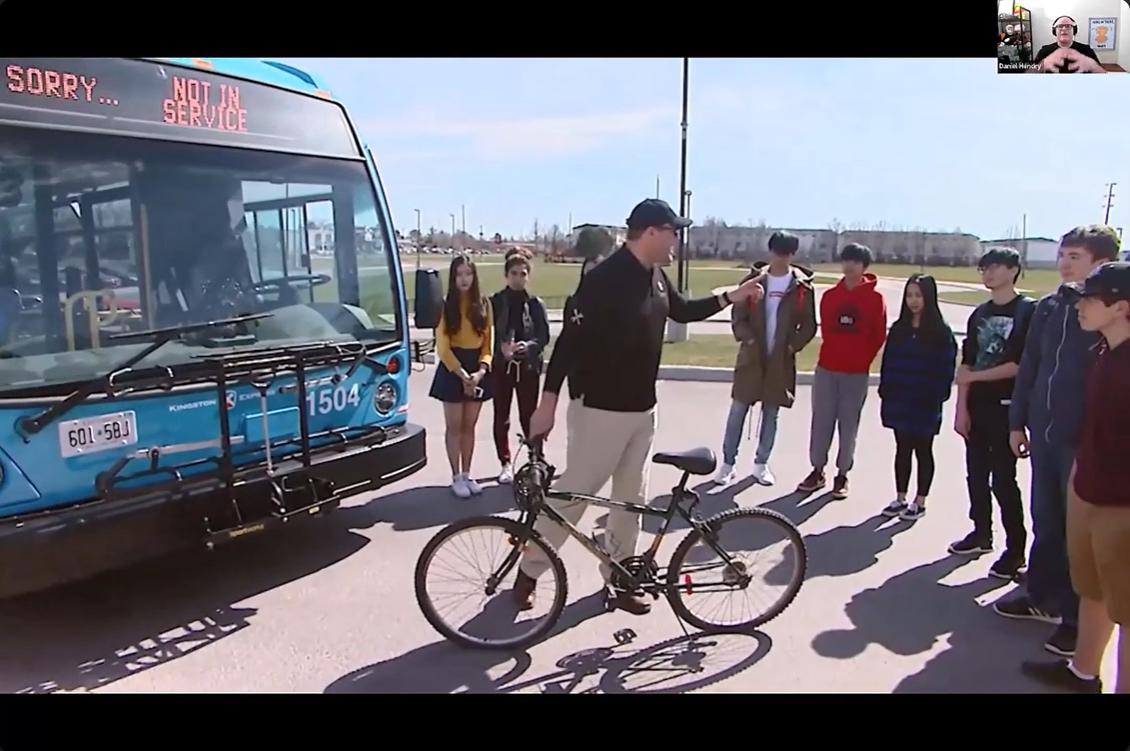
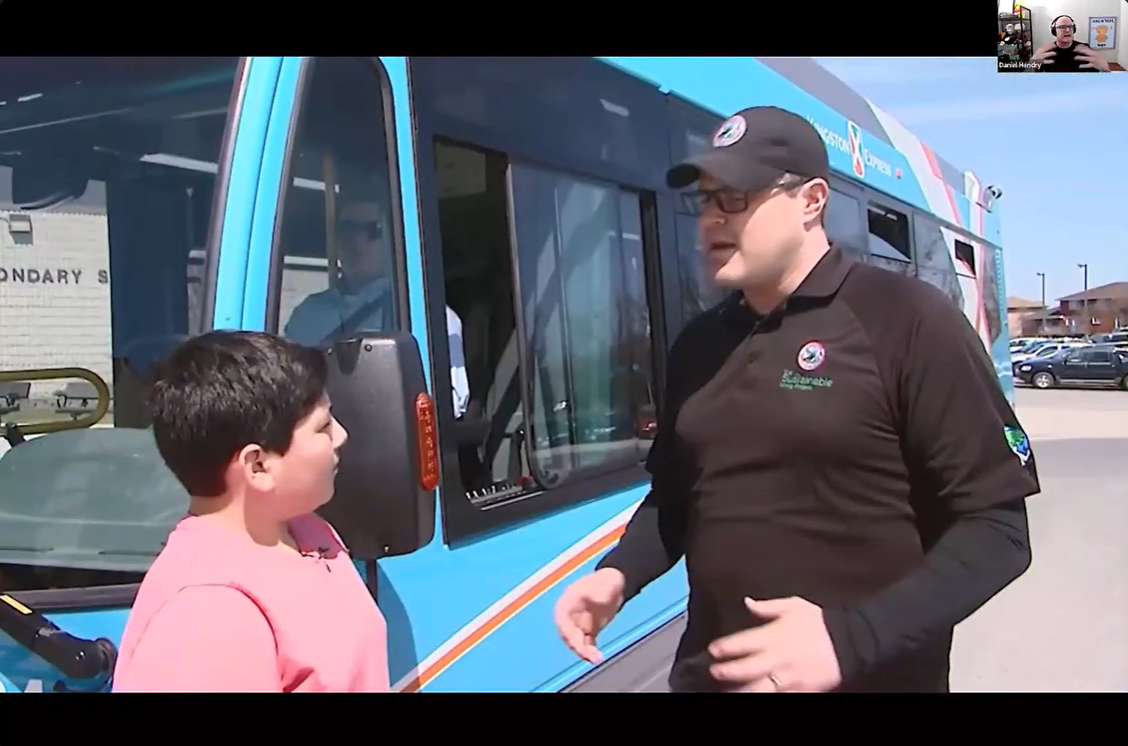
What the Data in Kingston Shows Us
What do these benefits look like in Kingston? An analysis of data from 2012 to 2019 indicates that, based on conservative estimates, the Kingston program facilitated nearly 196,000 additional youth transit rides annually. This replaced approximately 72,000 car trips, representing a savings of 10,000 hours in caregiver time, an annual reduction of 70 tonnes of CO₂ emissions, and 16,000 fewer student absences.
What matters most is how these benefits ripple outward. We see improved educational outcomes, increased youth independence, and meaningful time and cost savings for families. We also see broader community gains through reduced congestion and emissions. In short, one well-designed mobility intervention addresses climate goals, accessibility, workforce readiness, and family productivity simultaneously.
Sharing this story with Queen’s and the CPIA community was energizing. It signals a growing appetite across Canada for evidence-based decision-making, and for investing provincial and federal dollars where they generate the greatest combined social and economic return.
The Get on the Bus movement is ultimately about that bigger picture. When we invest wisely in youth mobility, we are not just moving riders, we are strengthening communities.