
Gratitude, Training, and Trust: Learning from Community Transit in Washington State
A Community Investing in its Youth
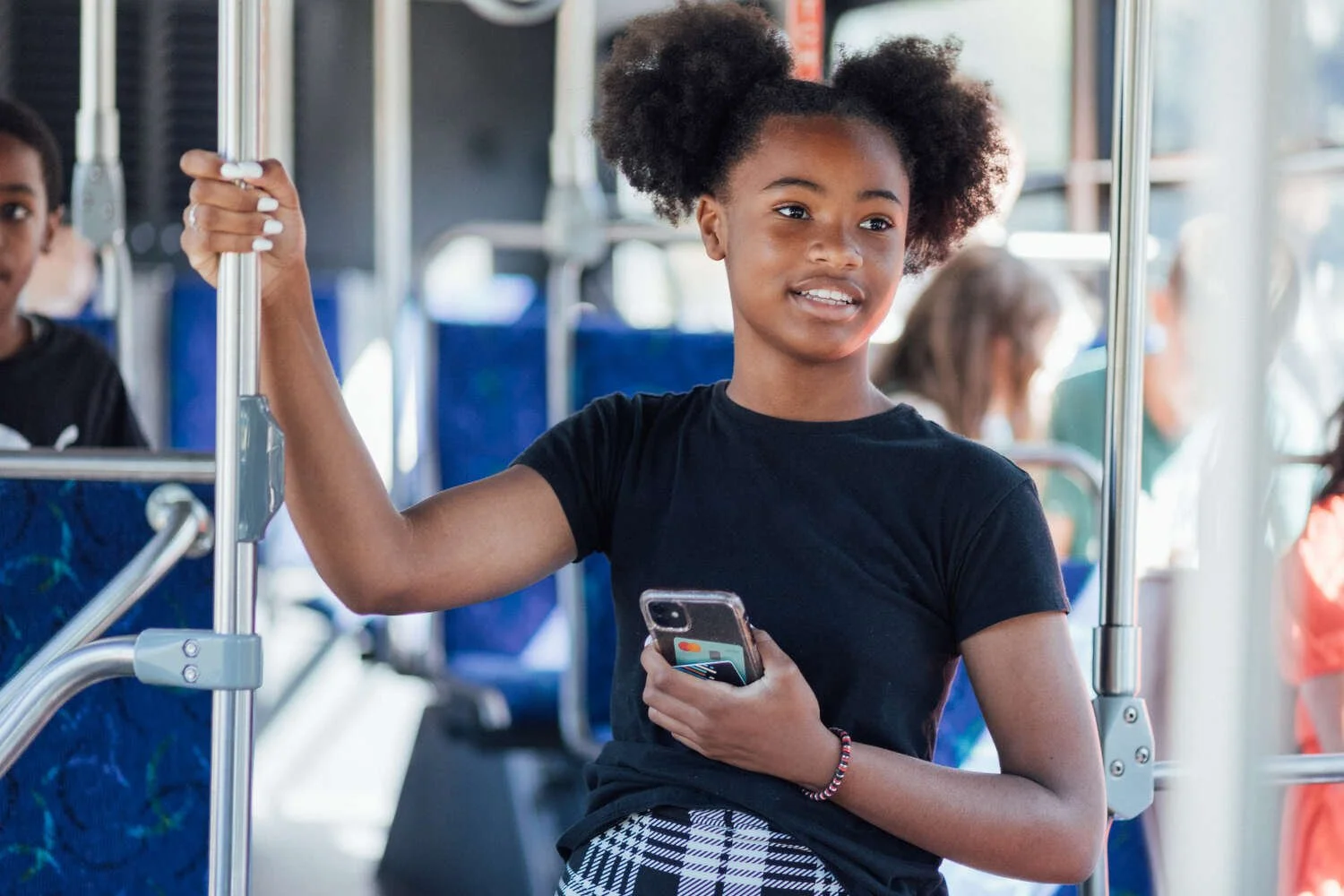
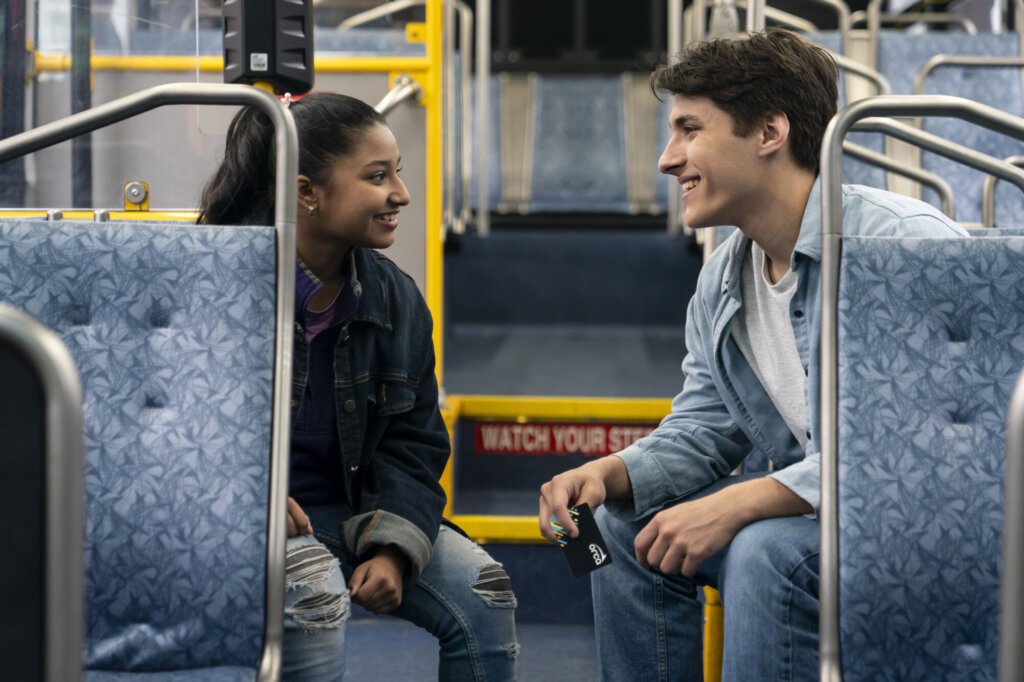
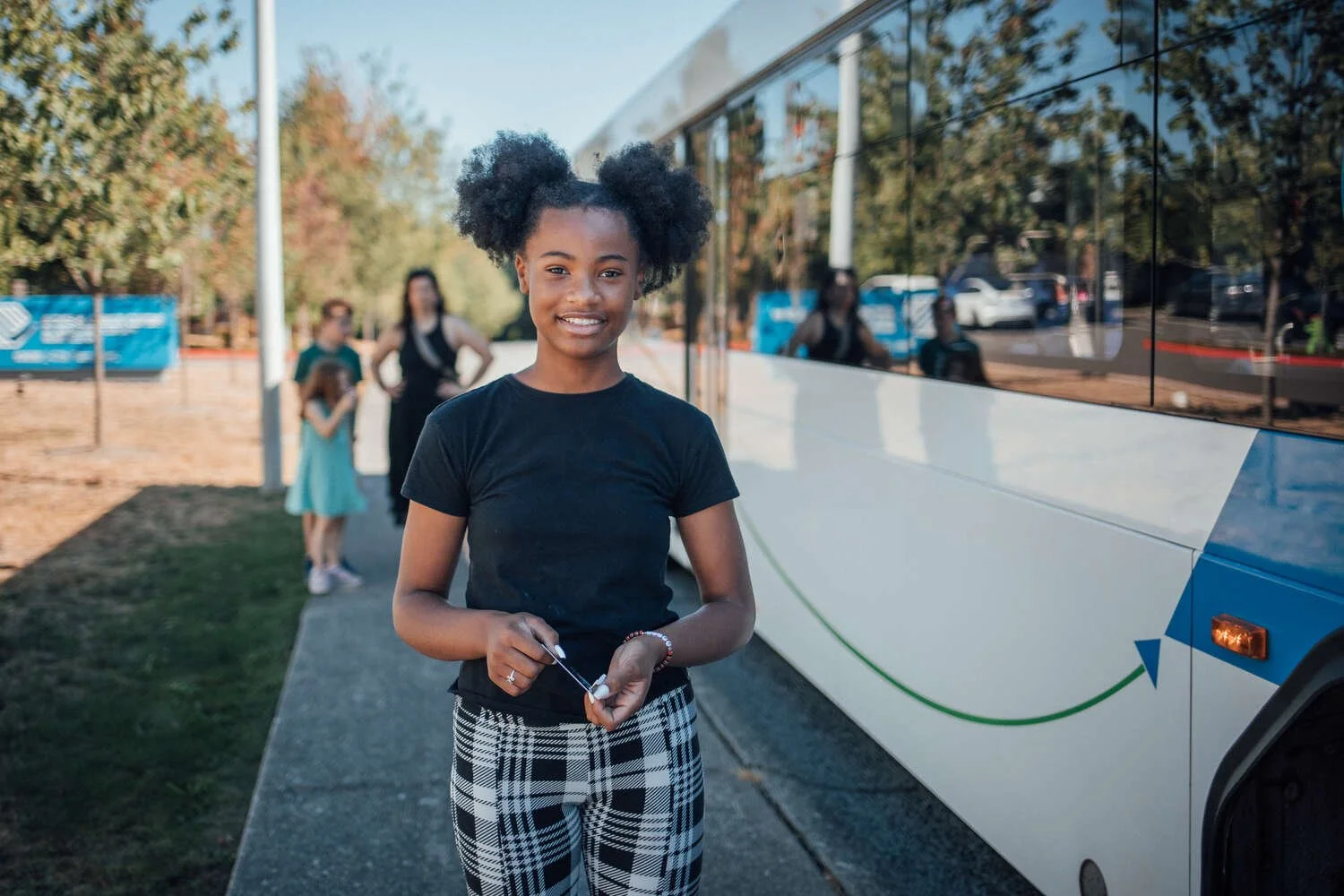
Last month, I had the opportunity for a conversation with Natalie from Community Transit in Washington state. Like so many of the best conversations it wasn’t transactional or rushed; it was thoughtful and rooted in a shared belief that transit is more than just infrastructure. It’s a public good, a learning environment, and, when done well, a foundation for lifelong independence.
Washington has taken a bold and commendable step by making transit free for everyone 18 and under. Policies like this are very impactful. They remove financial barriers, create equitable access, and signal to young people that they belong in public spaces. But as Natalie articulated so clearly, fare-free access alone isn’t enough. When youth ridership increases, especially among first-time riders, the system has a responsibility to meet them with preparation, trust, and education.
That’s where Community Transit’s approach stands out. Through initiatives like Bussin’ Basics, Community Transit has intentionally invested in transit training, not as a one-off presentation, but as a relationship-building exercise among students, educators, drivers, and the broader community. The goal is simple but powerful: give young people the tools to ride safely, respectfully, and confidently, while building positive habits that can last a lifetime. This aligns perfectly with our own training-focused philosophy at Get on the Bus.
Meeting Students Where They Are
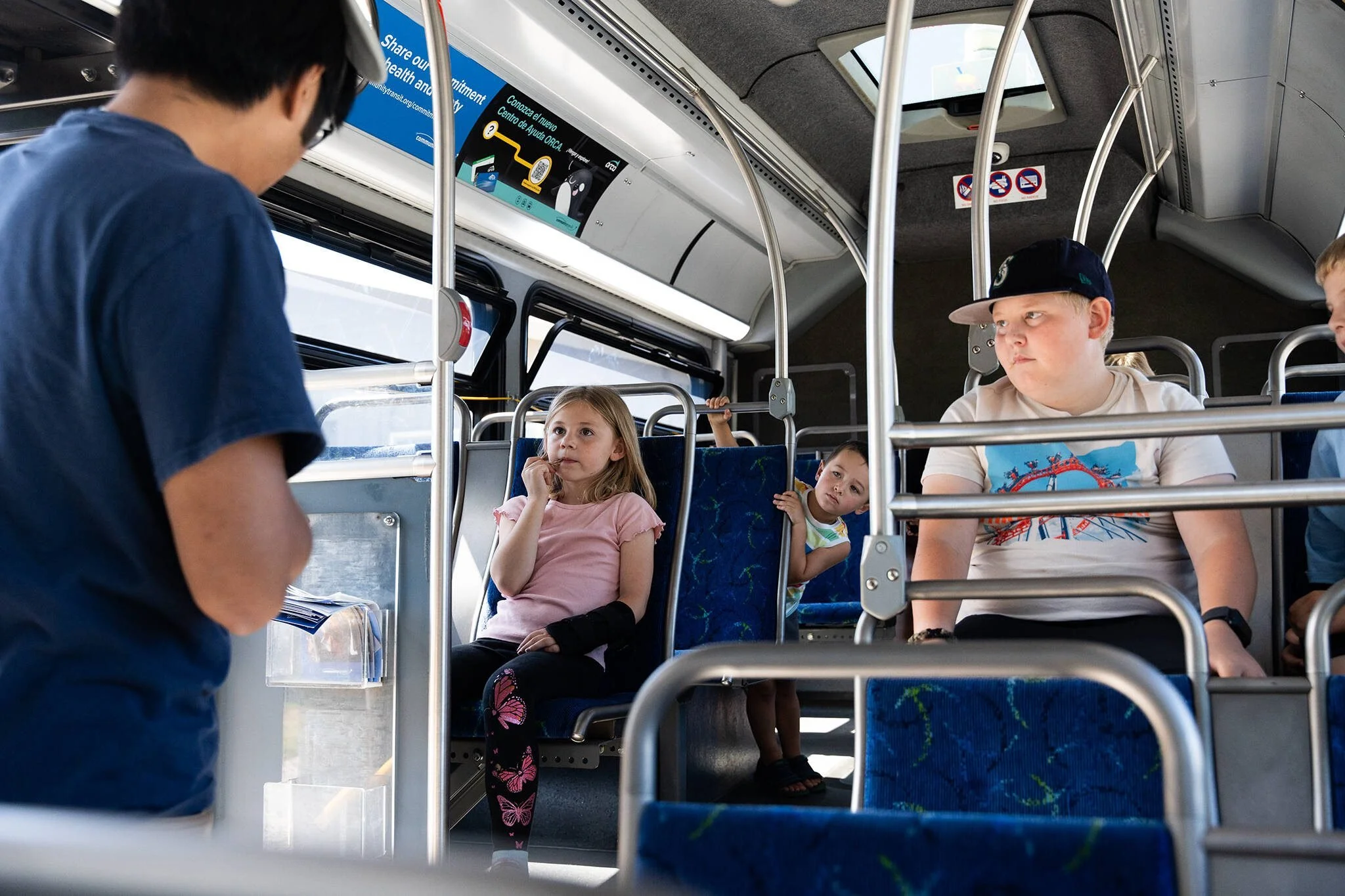
Community Transit’s program meets students where they are (literally, in schools), and pairs classroom learning with hands-on experience. Students learn to read a bus stop, plan a trip, understand safety and etiquette, board a real bus, meet a coach operator, and practice loading bikes. They receive Youth ORCA cards and are encouraged to see transit not as something intimidating or abstract, but as something familiar and usable.
What struck me most in my conversation with Natalie was how deeply this work is grounded in trust. Drivers aren’t positioned as enforcers, they’re ambassadors. Students aren’t framed as problems to be managed – they’re future riders being welcomed into a shared civic space. Teachers aren’t left to figure it out alone – they’re supported with tools, structure, and clear expectations.
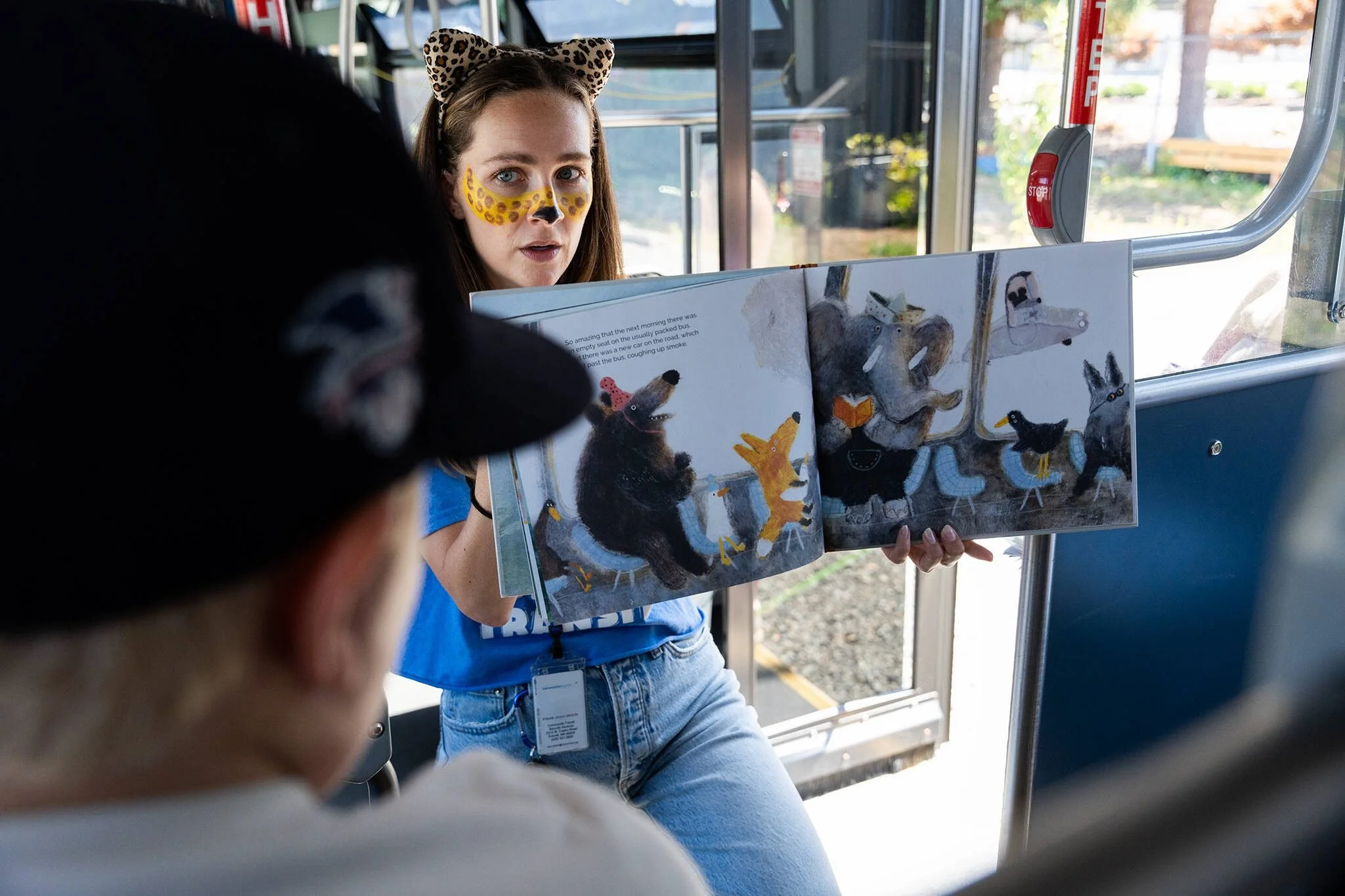
The results speak for themselves. Thousands of Youth ORCA cards distributed. Thousands of boardings generated. And most importantly, thousands of students are gaining real-world skills, learning how to navigate their community, access opportunities, and move independently. Natalie shared that one teacher described how transit training enabled monthly field trips by bus, light rail, and ferry – trips that would have been more expensive, more restrictive, or simply impossible under traditional school transportation models. Students weren’t just traveling; they were learning how systems work, how to plan, and how to move through the world with confidence. The impact of these partnerships even extends to literacy – the Transit Tales program recently brought local libraries onto the bus to read with students.
Why this Work Matters
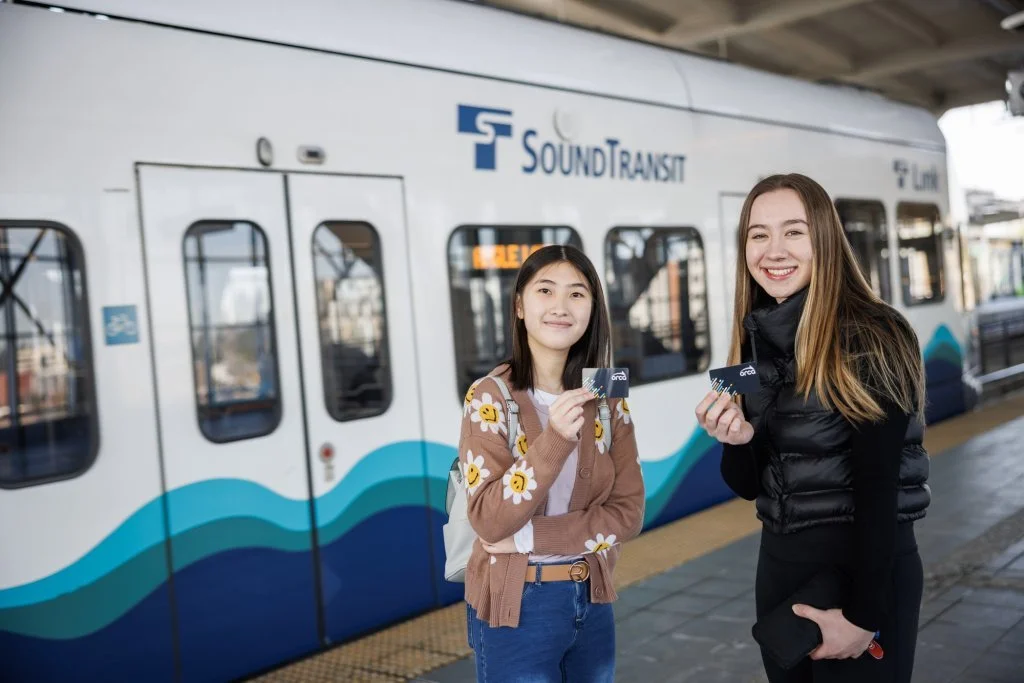
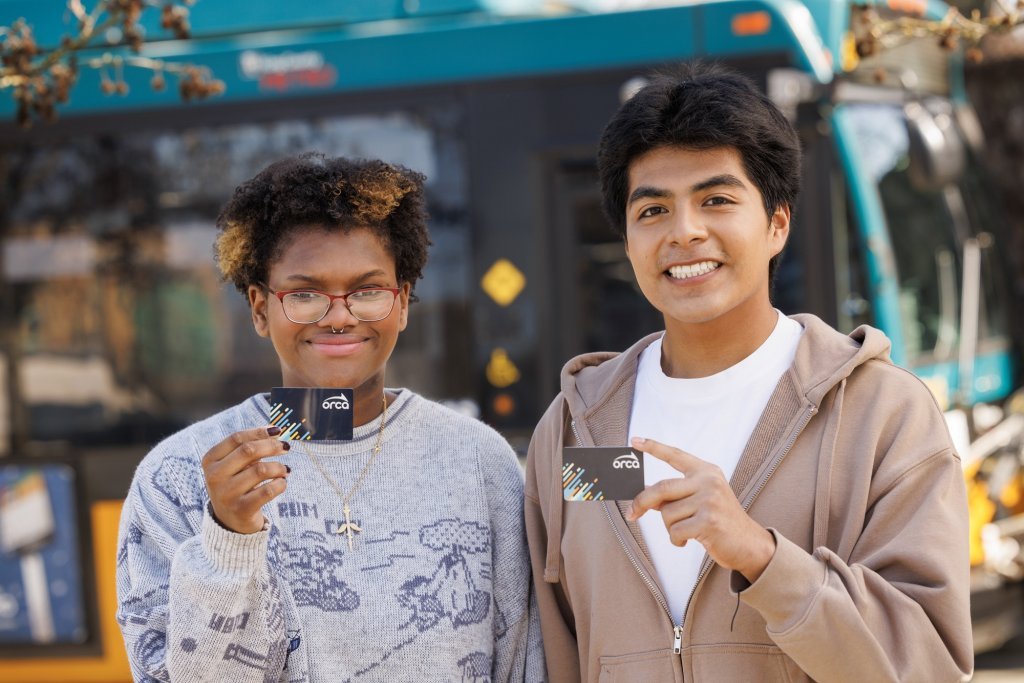
This kind of work matters far beyond any single county or state. At Get on the Bus, we often talk about the importance of sharing best practices across communities. Conversations like this one with Natalie are exactly why. They remind us that there is no single “right” model. Still, there are shared principles: early training, clear communication, strong partnerships with schools, and respect for young riders as capable community members.
I’m grateful to Natalie and the Community Transit team for taking the time to share their experience, their materials, and their lessons learned. Their work reinforces something we see again and again across Canada and beyond: when youth are welcomed into transit systems with intention and care, everyone benefits. Buses become calmer and safer. Communities become more connected. And young people gain a skillset that supports independence, access, and belonging for years to come.
Staying in touch, continuing to learn from one another, and highlighting examples like this is how we build better systems, together.
Photos gathered from: Community Transit, Heraldnet, and ORCA