
Mini-Case Study: A Youth-Led Transit Mural in Edmonton
Using public art to reframe transit, amplify youth voices, and build community pride
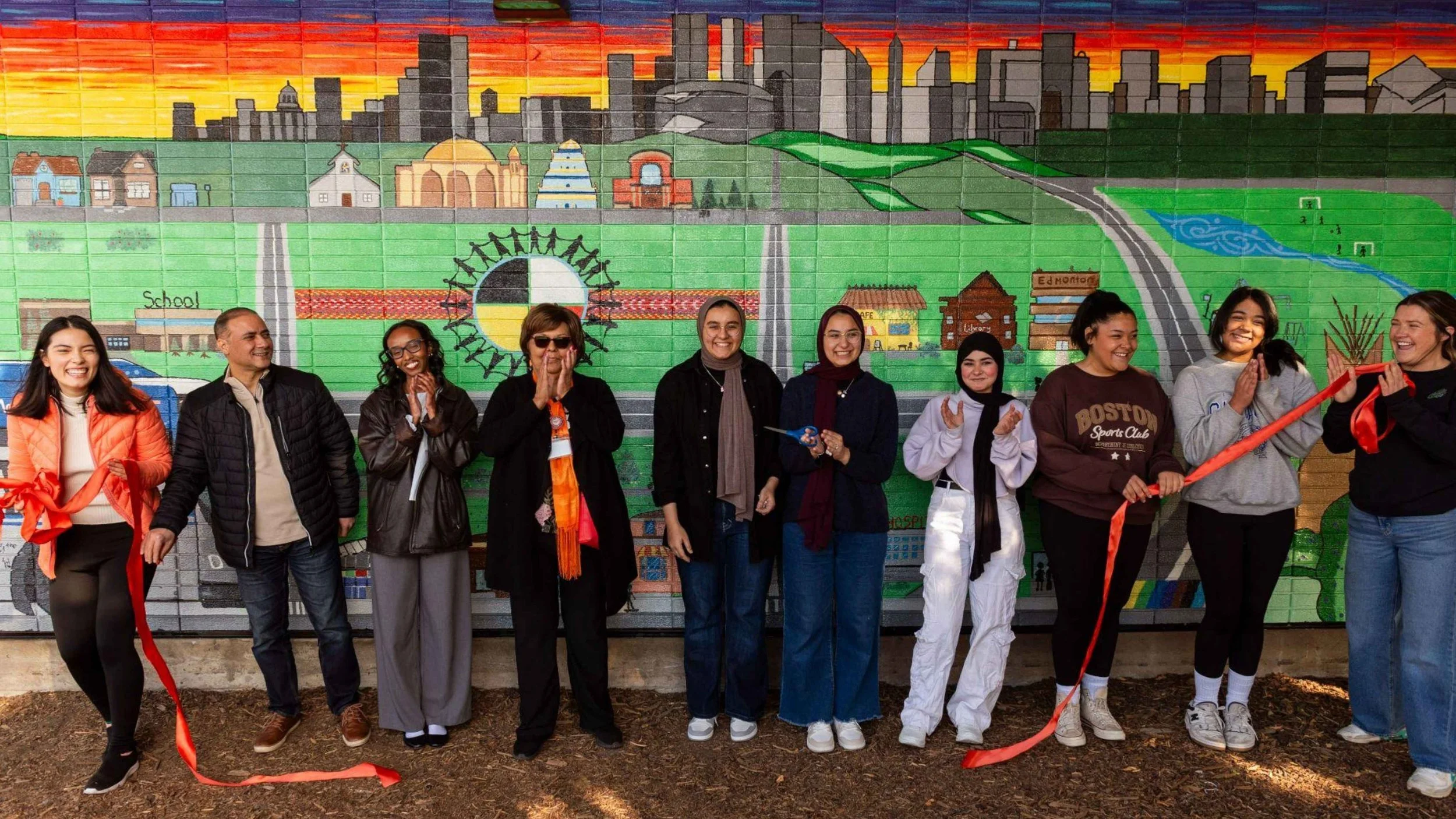
Photo supplied by: Sophia Young
Introduction
The Edmonton Youth Transit Mural project demonstrates how art-based engagement can be used as a powerful tool to normalize transit use, elevate youth voices, and build positive narratives around public transportation.
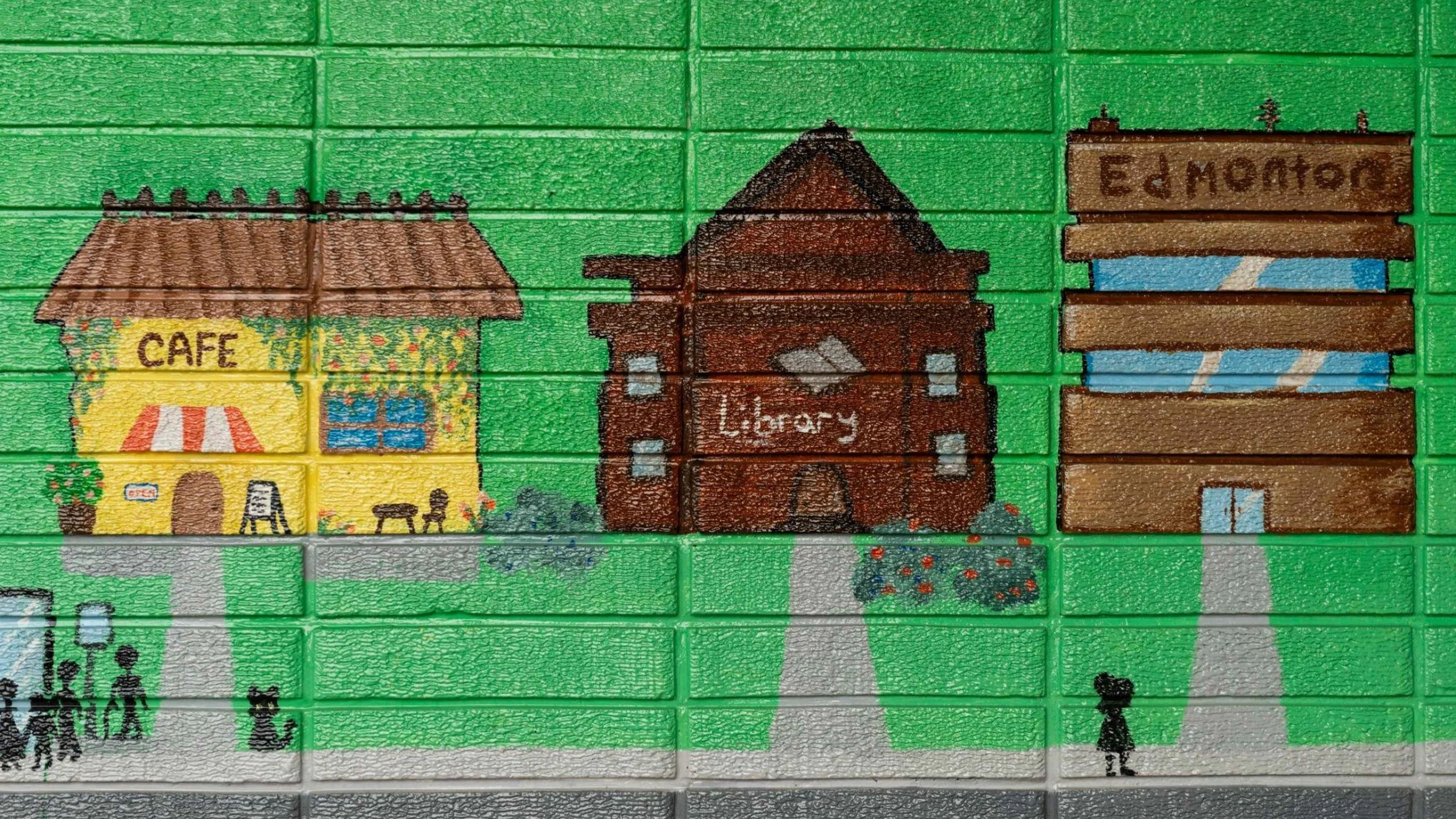
Led by youth through Small Change Fund’s Get on the Bus movement, this project brought together newcomer youth, Indigenous knowledge keepers, artists, schools, and municipal partners to create a large-scale mural that celebrates how transit connects people to opportunity, belonging, and independence.
Rather than focusing on service changes or fare policy, this initiative reframed transit as a shared civic asset, one that enables access to education, healthcare, employment, culture, and community life.
How It Started
The City of Edmonton faces a familiar challenge for urban centres: its public transit, while essential, suffers from a poor reputation.
At the same time, many newcomer and refugee youth rely heavily on transit, yet rarely see their lived experiences reflected in public space. Transit was something they used daily but seldom felt proud of or invited to shape.
The guiding question became:
How can youth tell their own stories about transit and make those stories visible to the broader community?
The answer was a youth-led community mural rooted in art, storytelling, and cultural meaning.

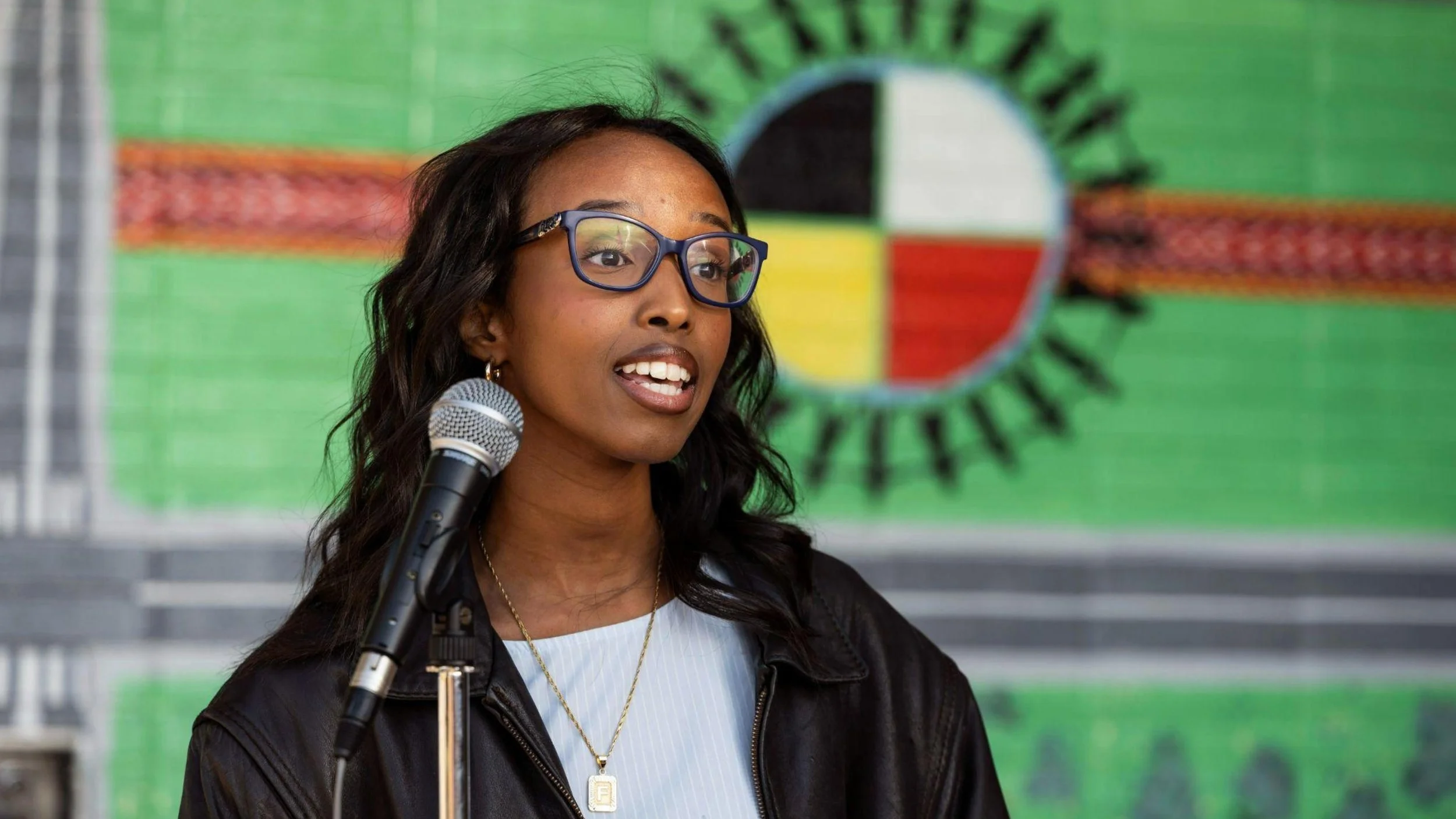
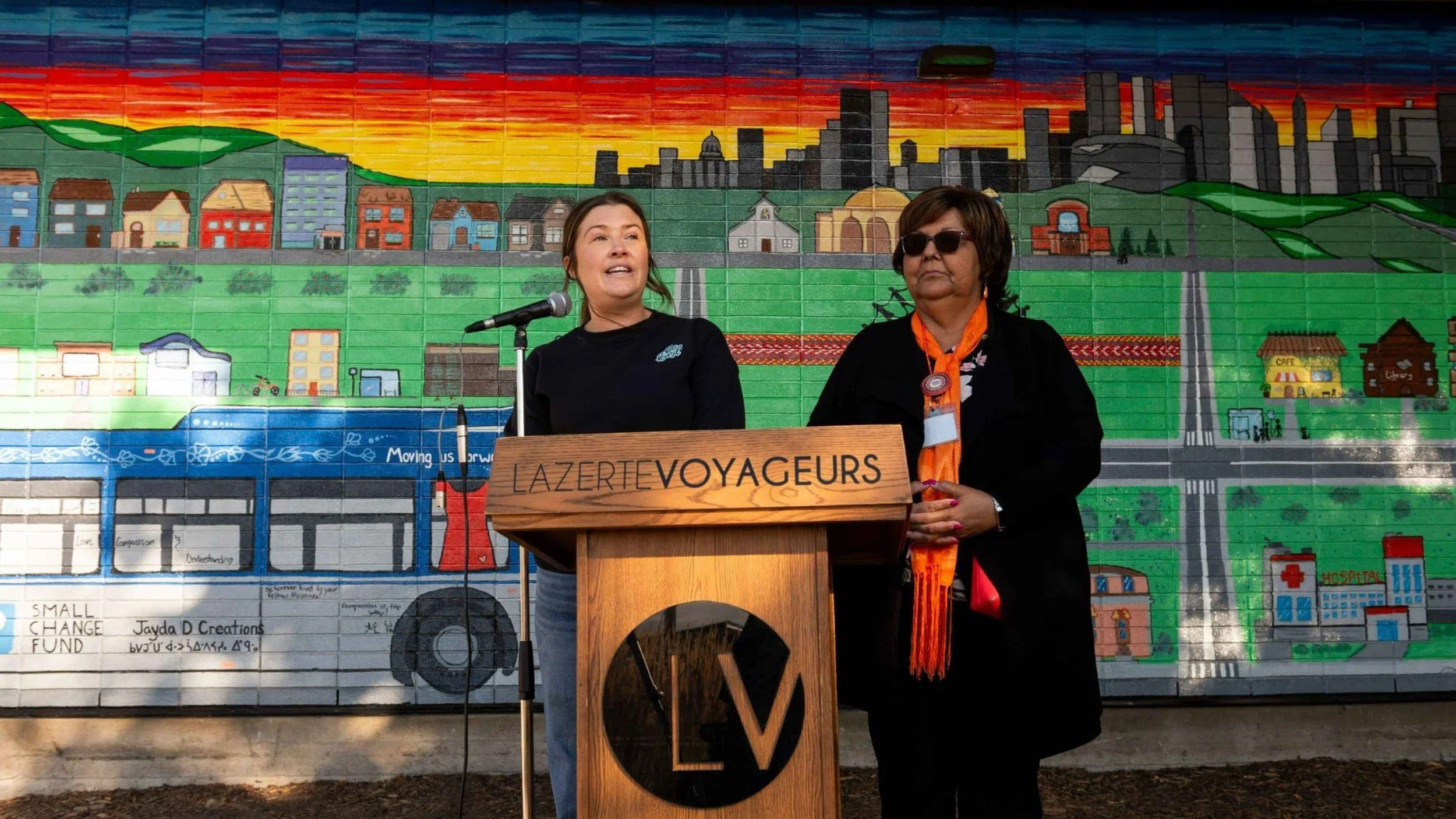
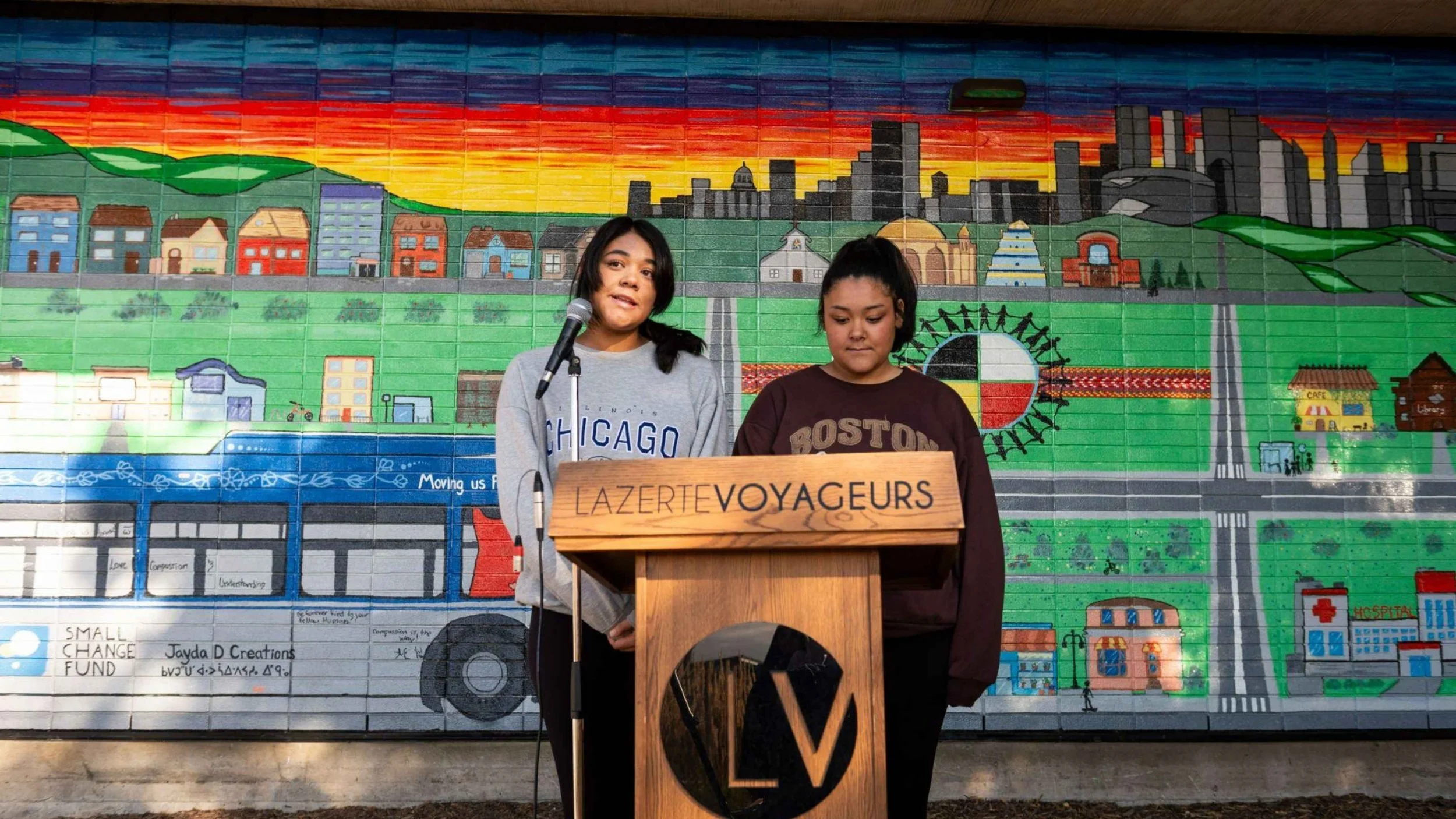
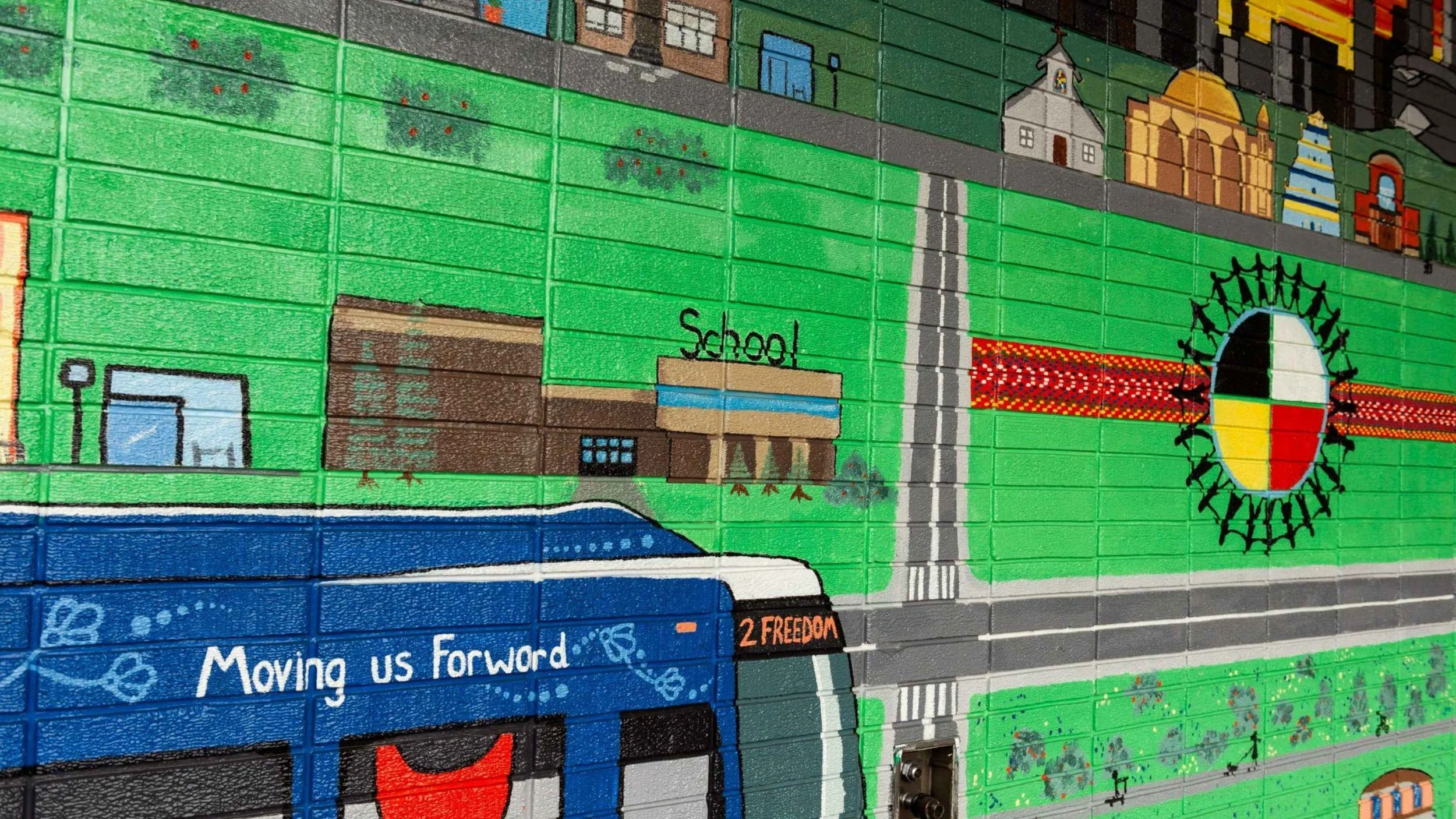
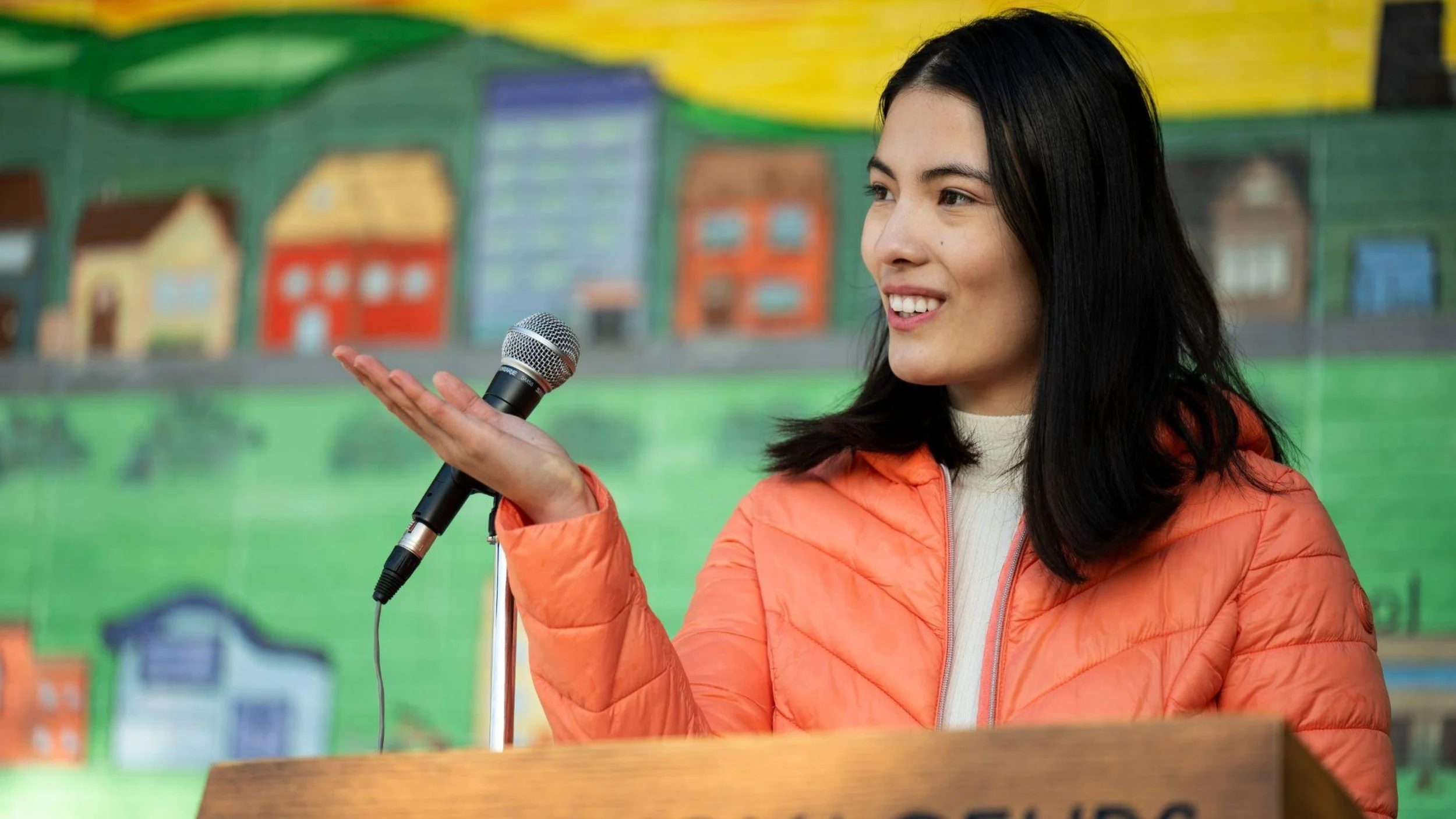
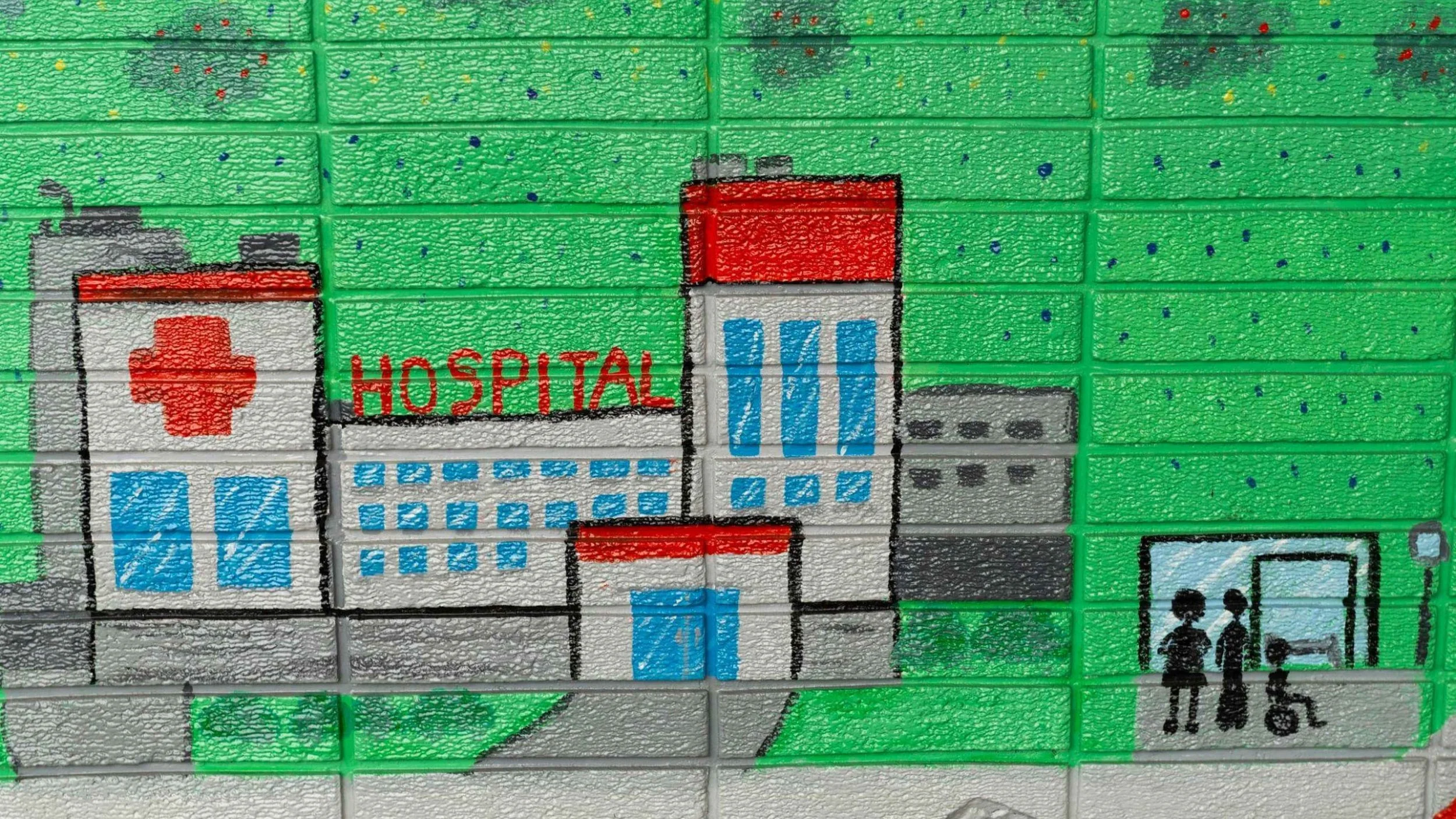
Photos supplied by: Sophia Young
“The biggest thing was just making sure people were excited for it — and the youth were really excited.”
How It Works
The project followed a deliberately simple, replicable structure:
1. Youth-Driven Concept
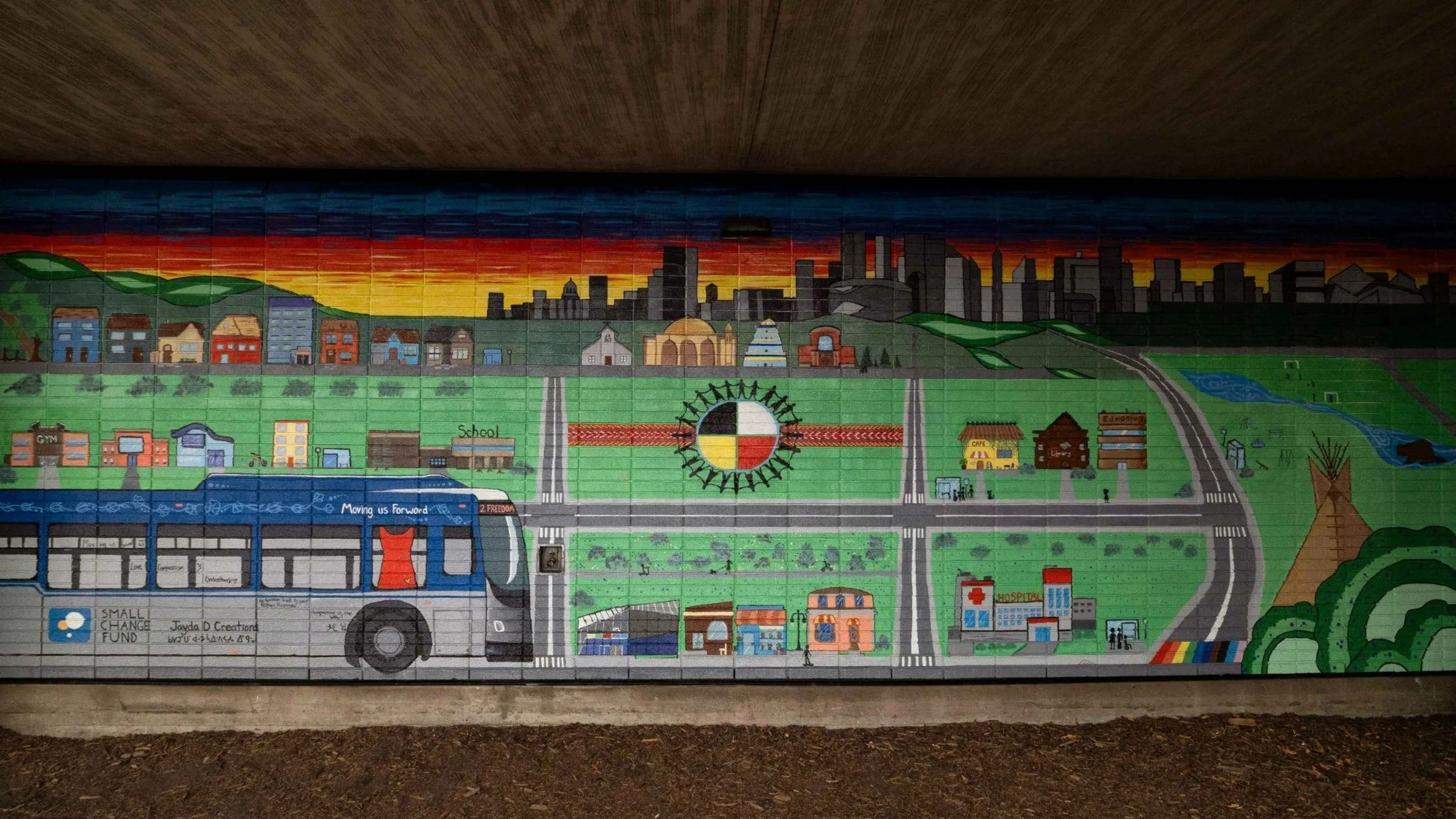
Youth participants were asked to reflect on and draw how transit connects them to their lives: homes, schools, places of worship, healthcare, jobs, recreation, and community supports. Their drawings and stories became the foundation for the mural design.
2. Artist & Cultural Leadership
Indigenous artist Jayda Delorme worked alongside youth and school-based Indigenous staff to translate student ideas into a cohesive visual narrative, grounded in the teachings of the Medicine Wheel.
Transit was depicted not just as infrastructure, but as:
Freedom and independence
Connection and belonging
Access to care, work, and opportunity
3. Strategic Partnerships
Once the concept, location, and partners were in place, funding and logistics followed. The project was installed at a public high school site in Edmonton with strong institutional and community buy-in.
4. Hands-On Creation
Over two weeks, youth painted the mural supported by artists, educators, and community partners. Students in construction programs helped build scaffolding, school staff prepped the wall, and youth artists took ownership of the space.
Why the Model Works
Youth were not “participants,” they were leaders. The students were encouraged to reflect on how transit functions in their own lives, turning everyday trips into civic storytelling. Learning how to ride transit was embedded directly into the creative process, blending expression with education.
Additionally, as the mural is located at a high-traffic school site near a commercial area, it is seen daily by thousands of students and community members.
Through the mural, transit becomes:
something to talk about
something to ask questions about
something to feel connected to
The project leveraged an existing “canvas” (the school wall) and youth programs, along with a modest municipal grant and in-kind support, to create high impact with low cost. The success of the project was closely tied to the support of many parties working together, including Action for Healthy Communities – an organization supporting newcomer youth, the Edmonton Public School Board, and the City of Edmonton. The success of the initiative was further boosted by the coordinated media launch which involved:
Press advisories sent to 80+ outlets
On-site speakers including youth, artists, educators, and partners
Ribbon-cutting and visual storytelling
Follow-up press release and radio interviews
This led to earned media coverage, school board storytelling, and a lasting visual anchor for transit advocacy.
“The goal of this project was to recentre transit as something we need in our community — but also as something that connects us.”

What’s the Impact?
The mural quickly became more than a painting. Neighbours stopped to watch and ask questions, children interacted with the imagery, and community members shared their own transit stories. But one moment truly demonstrated how public art can open conversations: a young child who asked to paint a heart on the mural so families of missing and murdered Indigenous women would know “people are still looking.”
This project shows that building a transit culture doesn’t always start on a bus. Sometimes, it starts with a wall, a paintbrush, and a group of young people with the agency to tell their own stories.
Some key takeaways include:
Start with stories, not policy
Secure a wall before securing funding
Partner with schools — they already have skills and assets
Use art to make transit visible, human, and hopeful
Treat storytelling as core infrastructure
Photos supplied by: Sophia Young
This mini-case study was developed from an interview with Sophia Young, Program Coordinator for Get on the Bus.