
Get on the Bus has always been about more than buses. Our work started with transit, and at its core it is still about helping young people get around their communities – to school, work, sports, friends, appointments, and everything else that comes with growing up. But over time, one thing has become clear to me: transit gives young people access, but using their voice gives them another kind of freedom.
This is a big part of where Next Stop: Change came from. And, probably appropriately, it did not end up looking like I first thought it would. When we began talking about building resources for young people, my instinct was to build something bigger. Modules, lots of information, something complete. Basically, the older guy in the room had a plan.
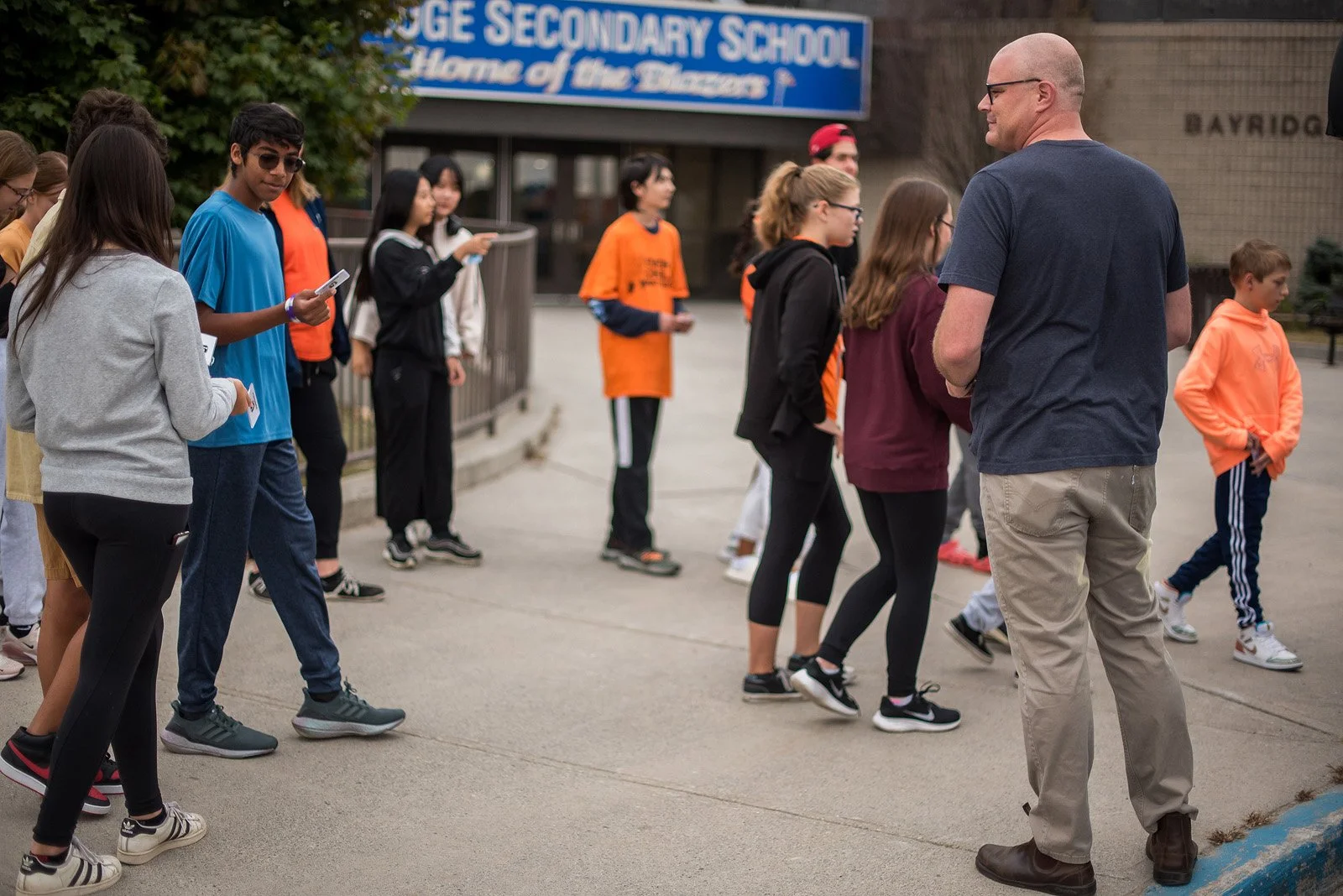
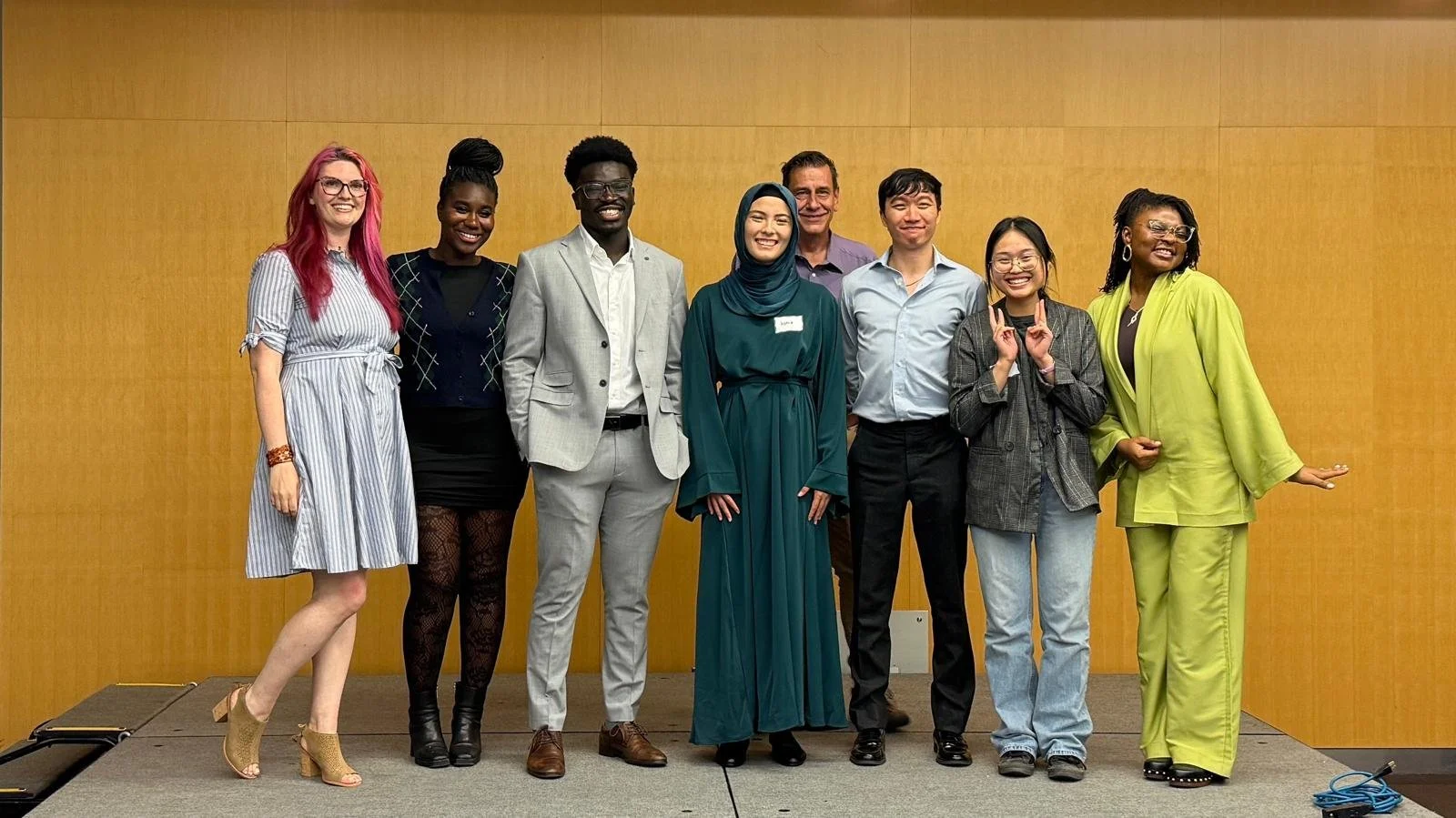
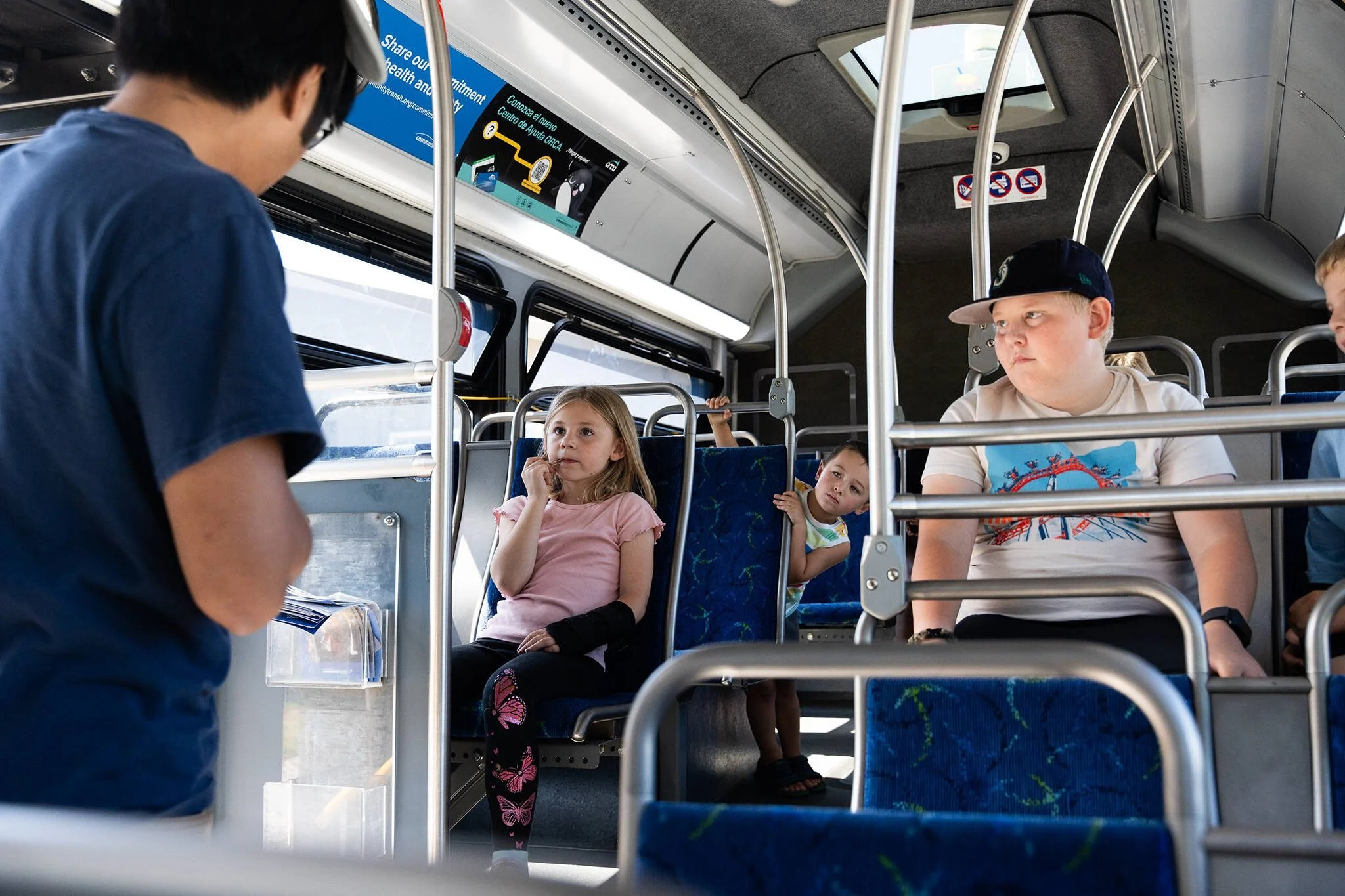
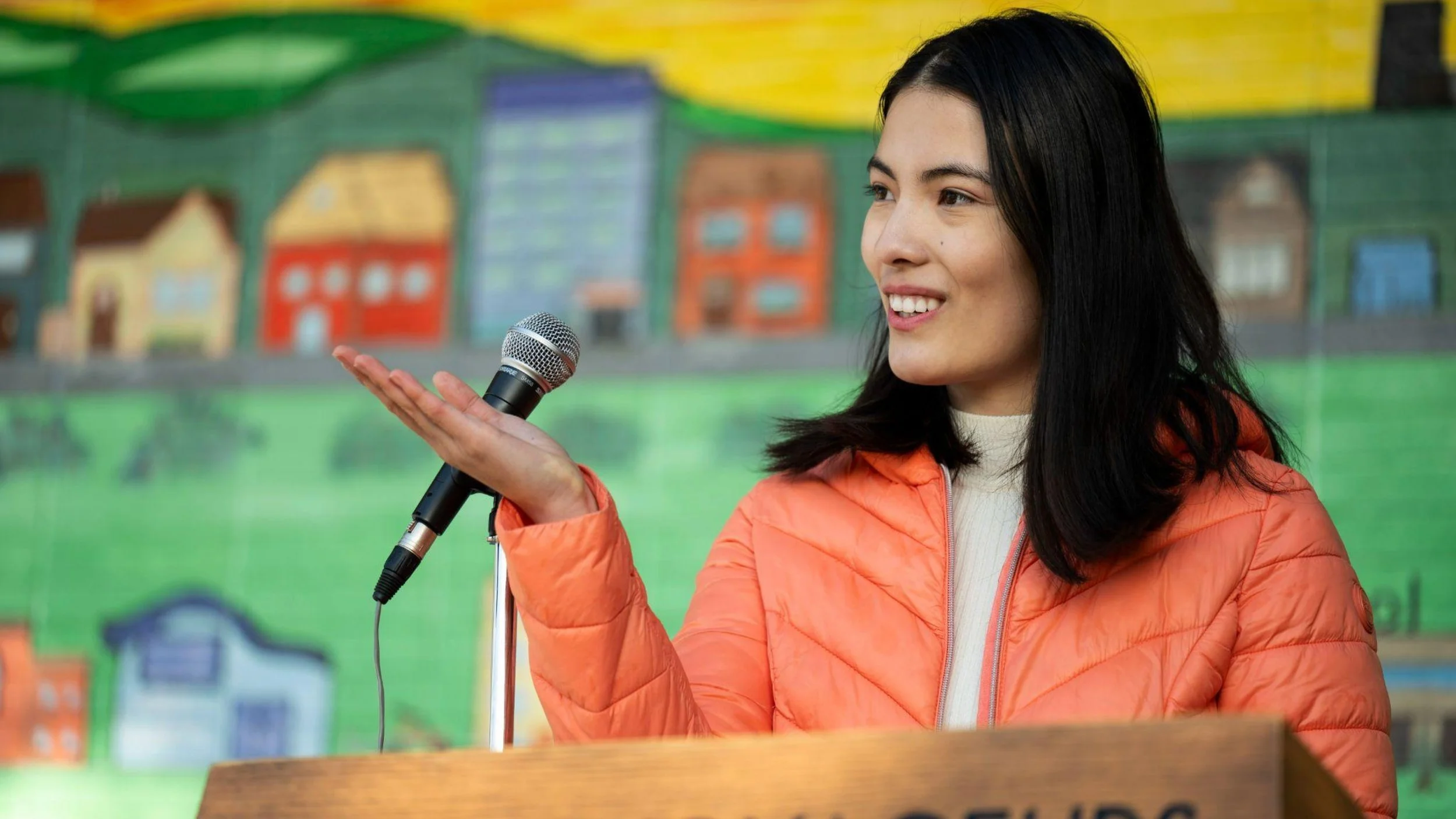
Then we asked young people what they wanted.
And what came back was much more straightforward. They wanted clear information. They wanted short, useful answers. They wanted to hear from young people who had done the work. Answers to questions like: How do I speak to City Council? How do I organize around an issue? How do I keep going when change takes longer than I thought?
So, instead of sitting down to explain advocacy to youth, we started looking for young people across Canada who could talk about what they learned themselves.
Youth advocate Sophia Young has led this work – interviewing young changemakers, listening to their stories, and turning those conversations into short, practical videos other young people can learn from.
We now have more than 40 videos on the Next Stop: Change website and we will keep adding more as we meet new advocates. We are also building out profiles so people can learn a little more about the youth behind the videos.
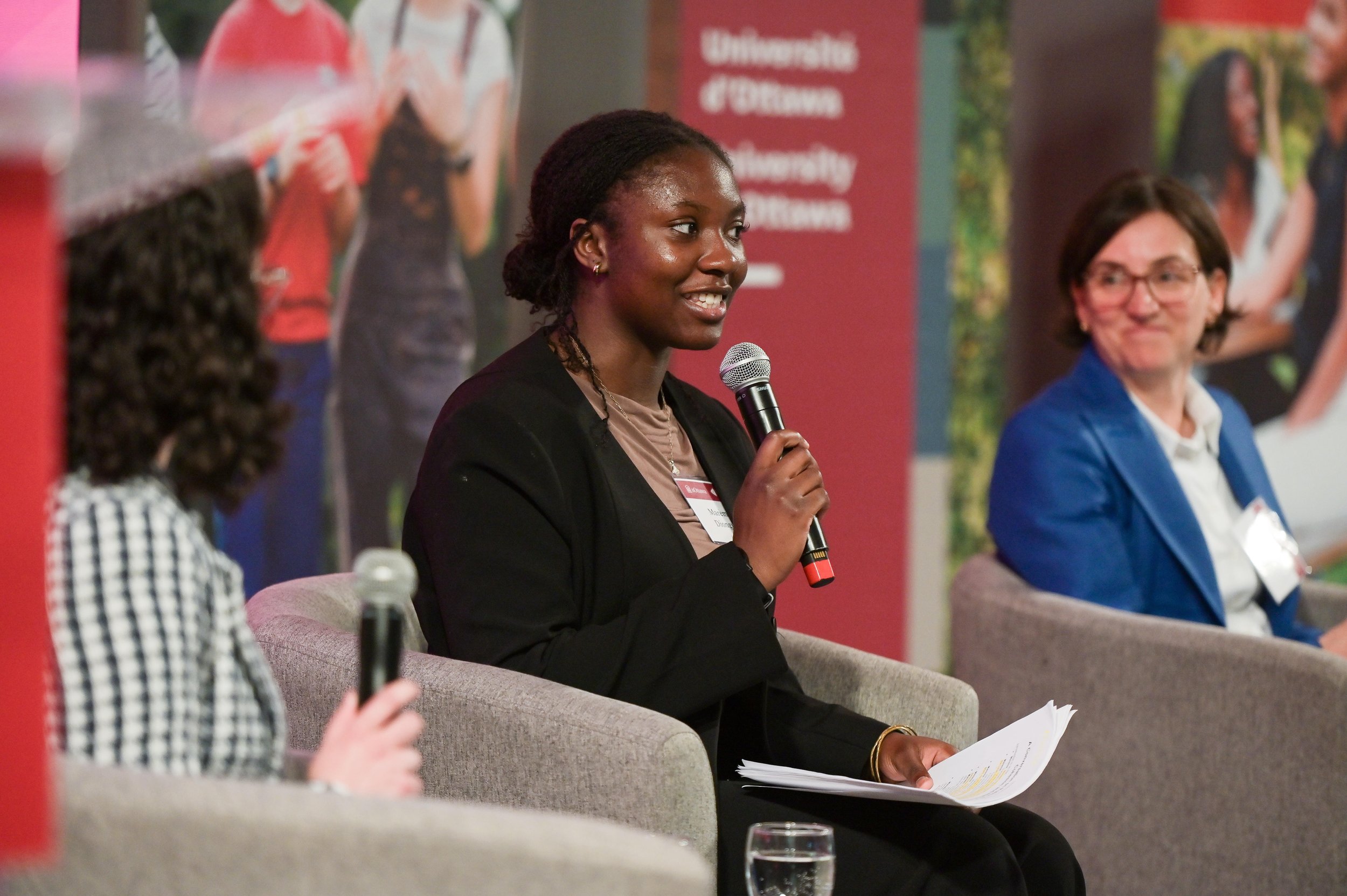
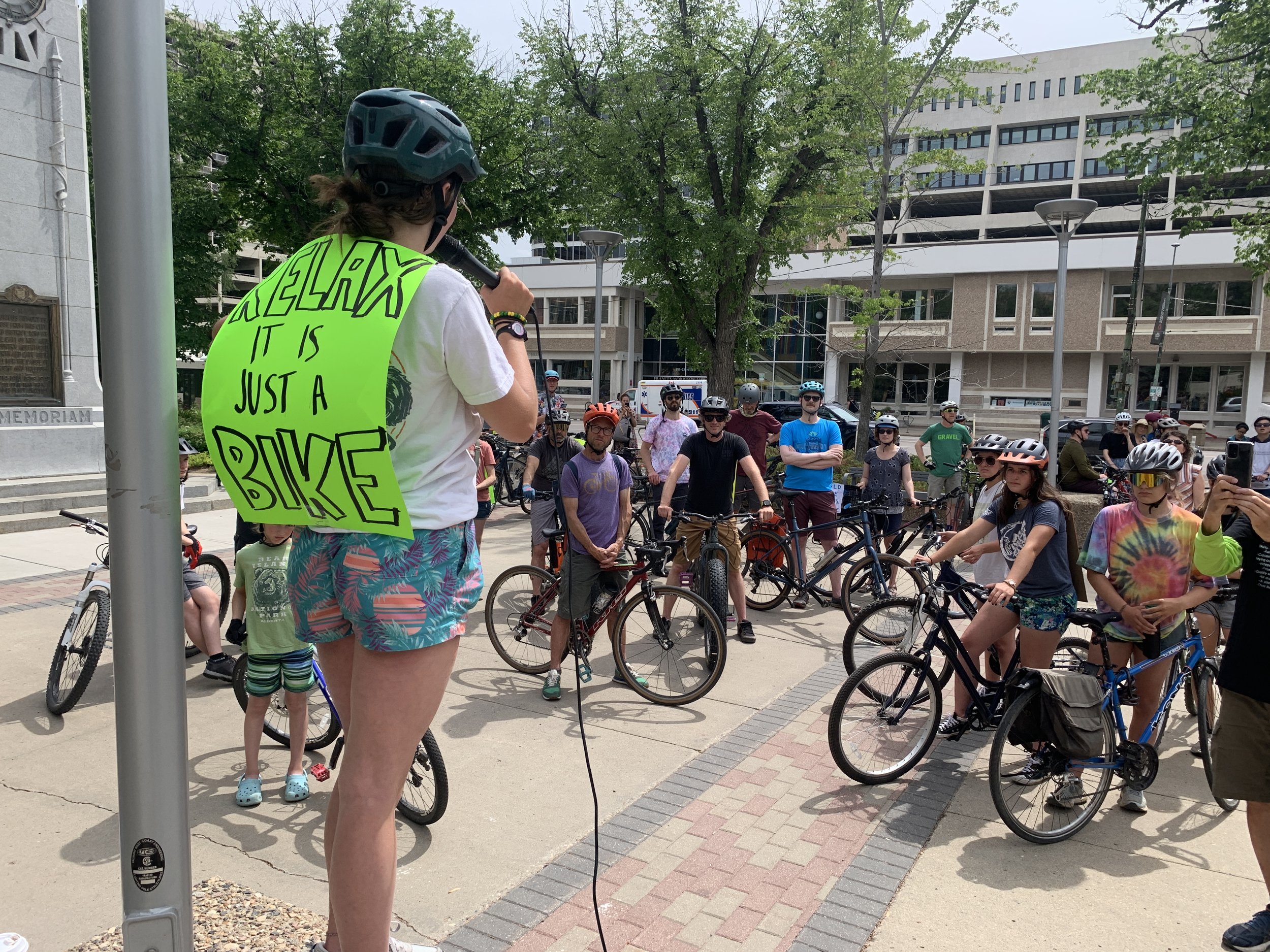
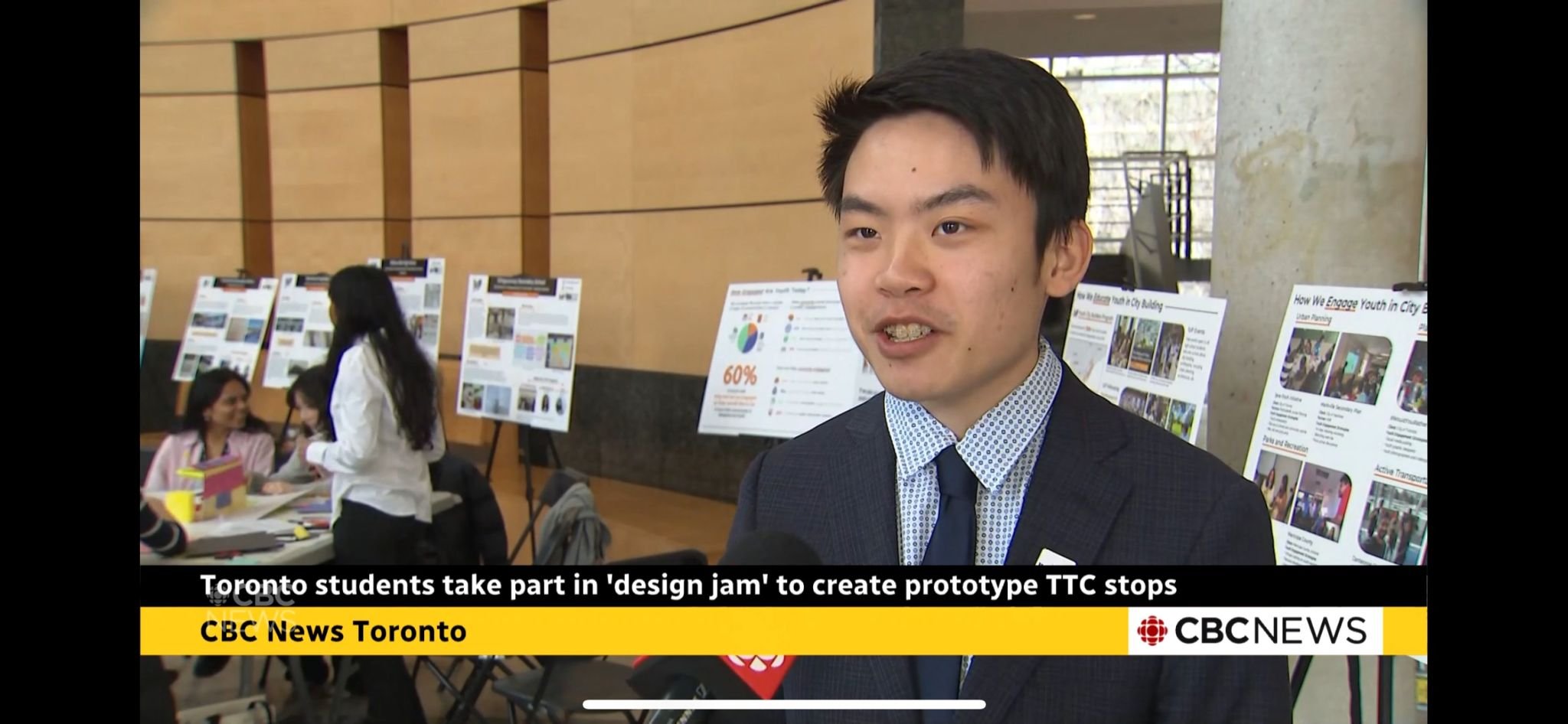
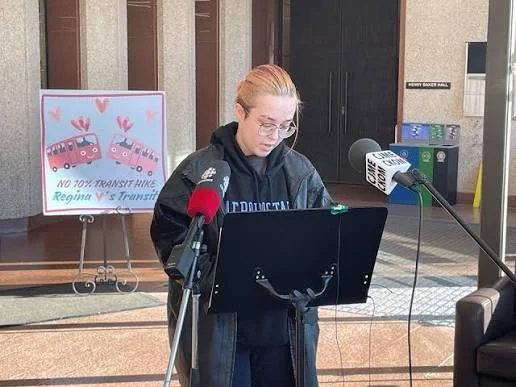
The project came out of our work in transit, but it is about so much more. A young person working on better transit access can learn many of the same skills as someone working on climate, housing, accessibility, safer streets, school issues, and many other things. In all cases, you still have to figure out who makes the decisions, how to tell your story, how to bring people along, how to make your case, and how to stick with it when things move slowly.
That is what I like most about this project. We are not trying to tell young people what advocacy is supposed to look like. We are trying to create a place where young people who have already done some of this can help the next person along.
Sophia's own experience is part of that. Her advocacy started around public transit in Regina and grew into a successful campaign around fare-free transit for children. She knows firsthand what it is like to care about an issue but not know where to start, who to contact, or what the next step is. Her experience has helped shape this project in a way that makes sense for youth.

I want to thank FES and The Youth Harbour for supporting this work. Their funding let us do more than just produce videos. It gave Sophia the opportunity to lead the project, try things, talk to other young people, and change our approach as we learned new things. And I think the project is much better because of that.
For me, that is probably one of the biggest lessons in all of this. We can bring experience, contacts, support and resources, but we also have to listen and give young people room to shape the work themselves.
Next Stop: Change will keep growing. Young people across Canada are transforming their communities and we want to keep finding them, talking to them, and sharing what they have learned.
Somewhere, a young person knows something in their community should be different but doesn't really know what to do next. Maybe if they watch one of these videos, they will hear how somebody else got started and think, “Okay, I can do that.”
Young people already know what they want to change. Sometimes they just need a bit of support, some good examples, and a clearer idea of what the next step could be.
And Next Stop: Change is here to help with that.