What Happens When Youth Play a Role Beyond Consultation
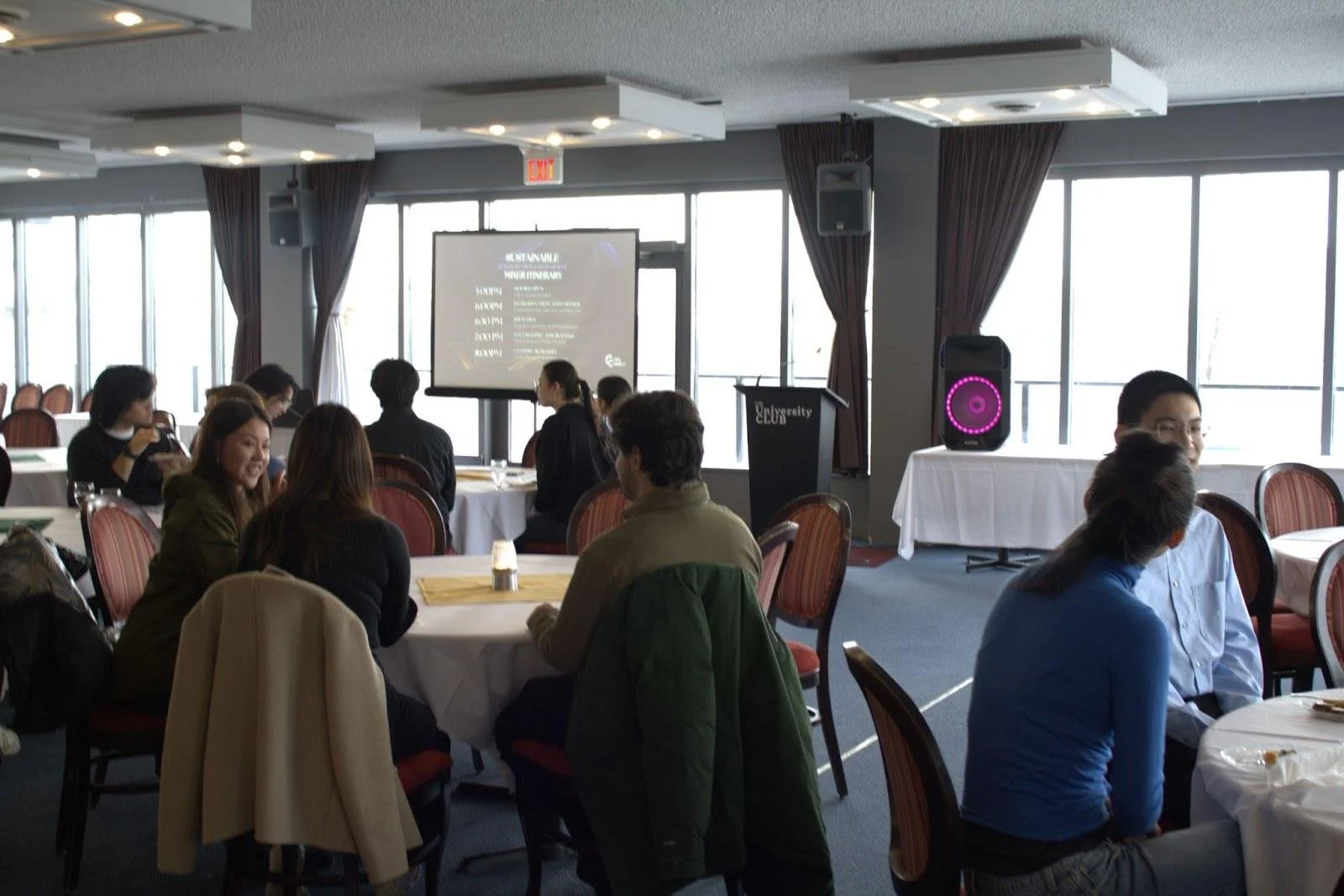
Hello, I am Burhannudin Yamani, co-founder of Civil Connect, a student-led design association at the University of Alberta. On March 12, we held the Connect 2026: Sustainable Innovations Conference on campus, sponsored in part by Get on the Bus.
Over the past few days, I’ve been reflecting a lot. I’ve been fortunate to receive many kind words and congratulations recognizing the work our club has accomplished this past year. People have pointed out that, in such a short time, we’ve been able to launch projects that are not only innovative but also award-winning.
These initiatives, ranging from reimagined library designs to transit-friendly neighbourhood subdivision concepts, have sparked conversations about what youth-led planning and design can truly achieve. And it got me thinking: How unique is this opportunity? Where else in Canada can young people move beyond simply advising on community design and instead actively shape, visualize, and present what their future communities could look like?
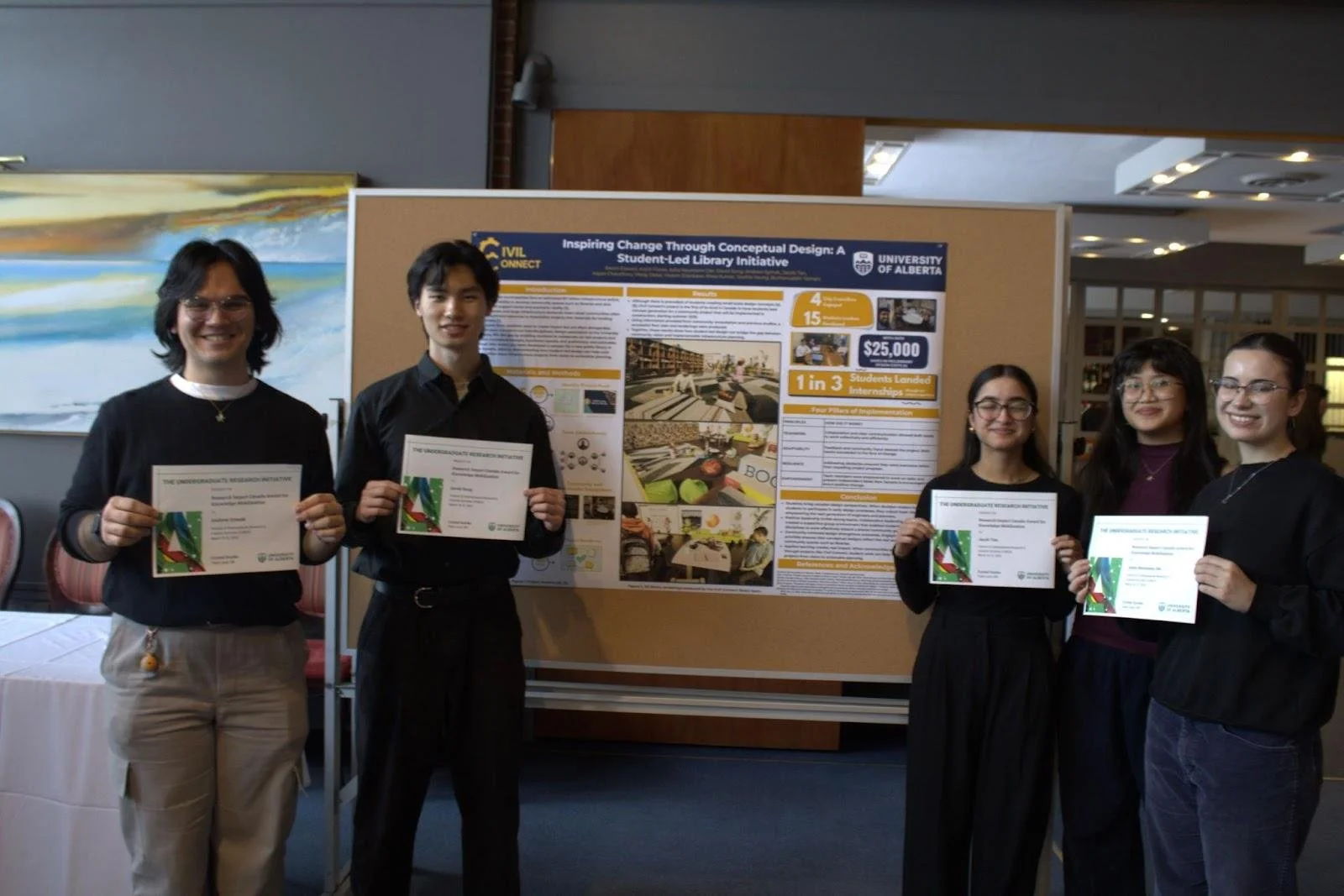
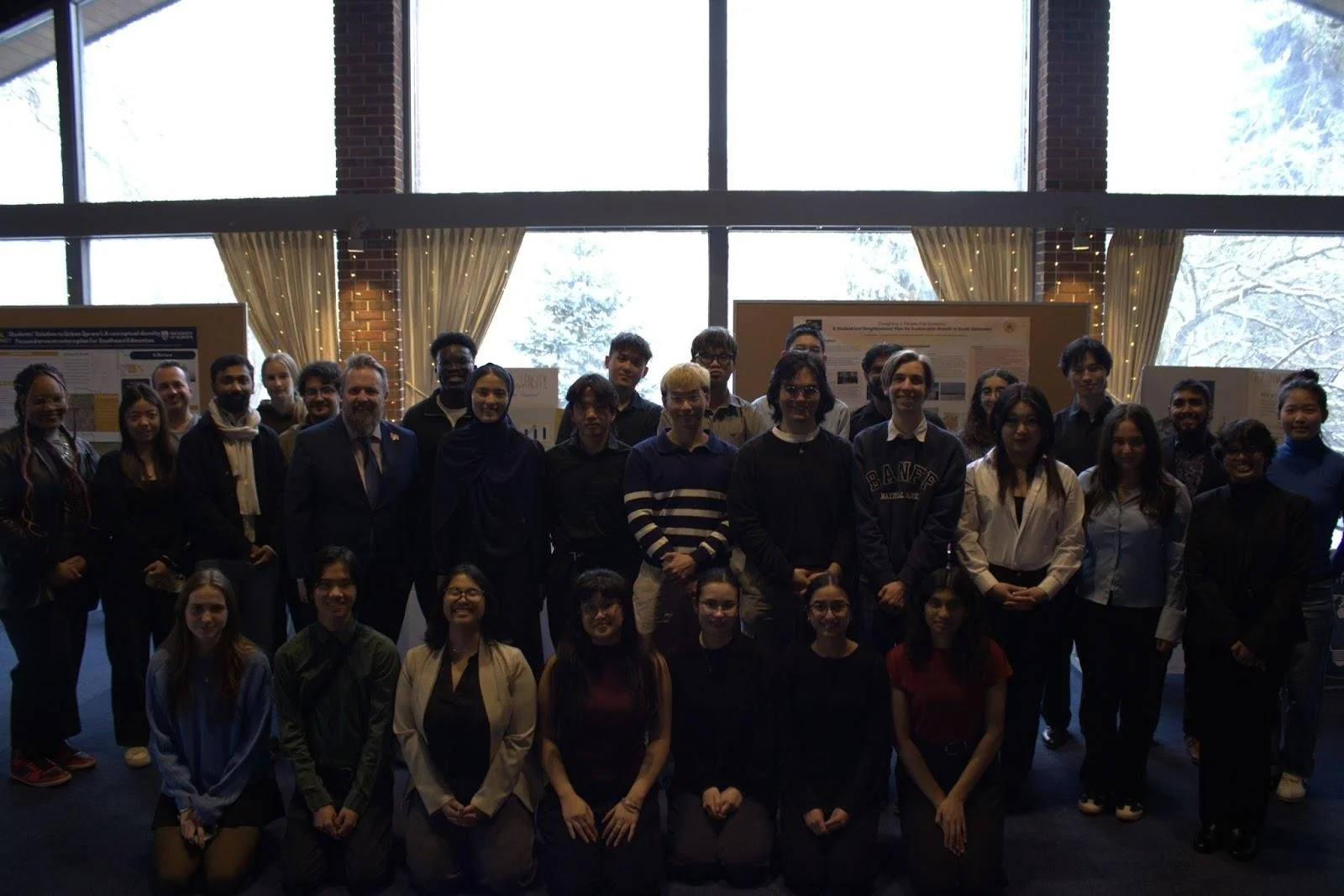
Through our work with Get on the Bus, we’ve built a platform that empowers students to turn their ideas into tangible proposals and create designs that reflect both creativity and a deep understanding of community needs. Watching our team members bring their visions to life has been nothing short of inspiring. Overall, this experience has reinforced something important. Youth do not just want to be consulted. They want to build.
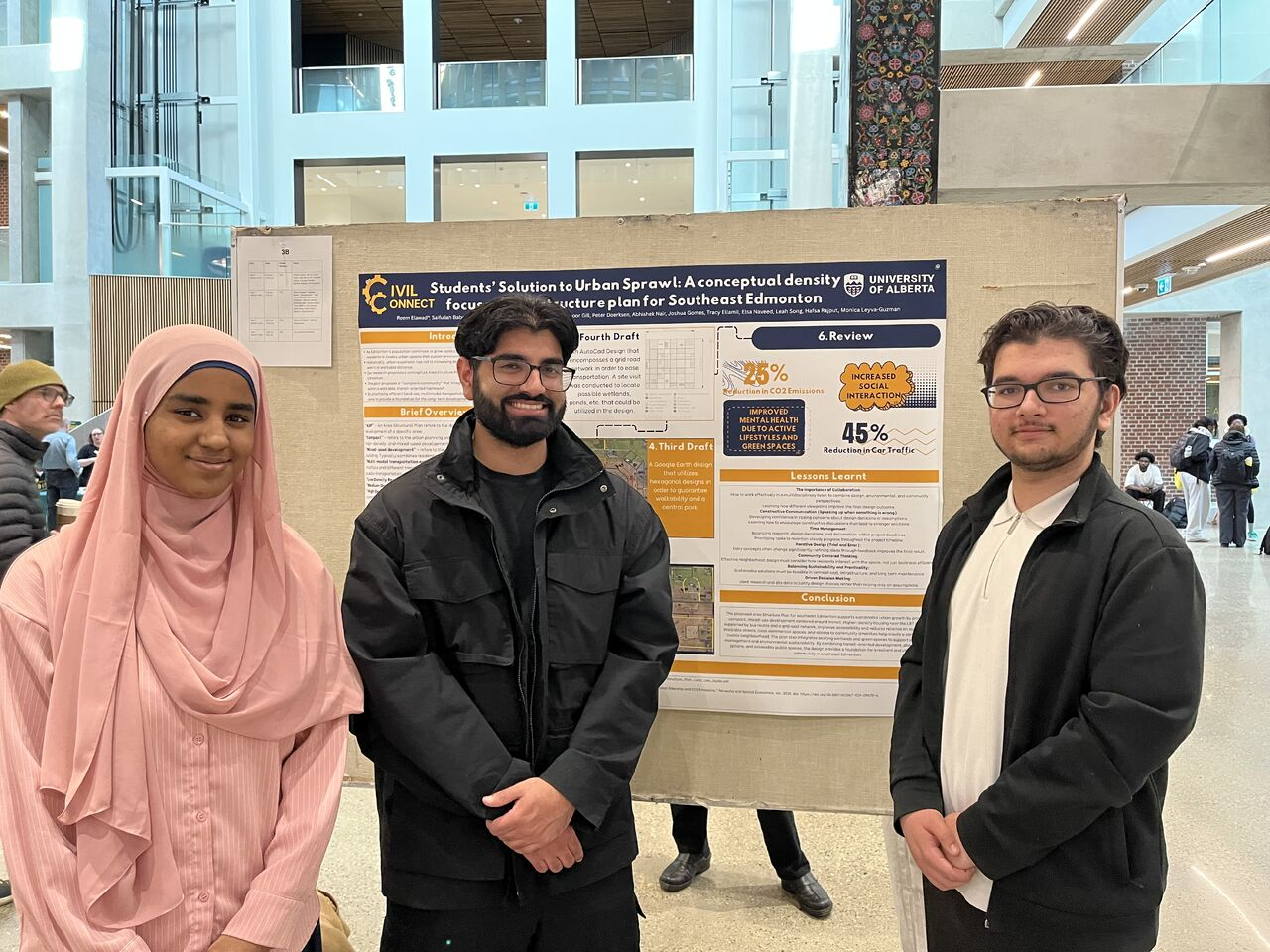
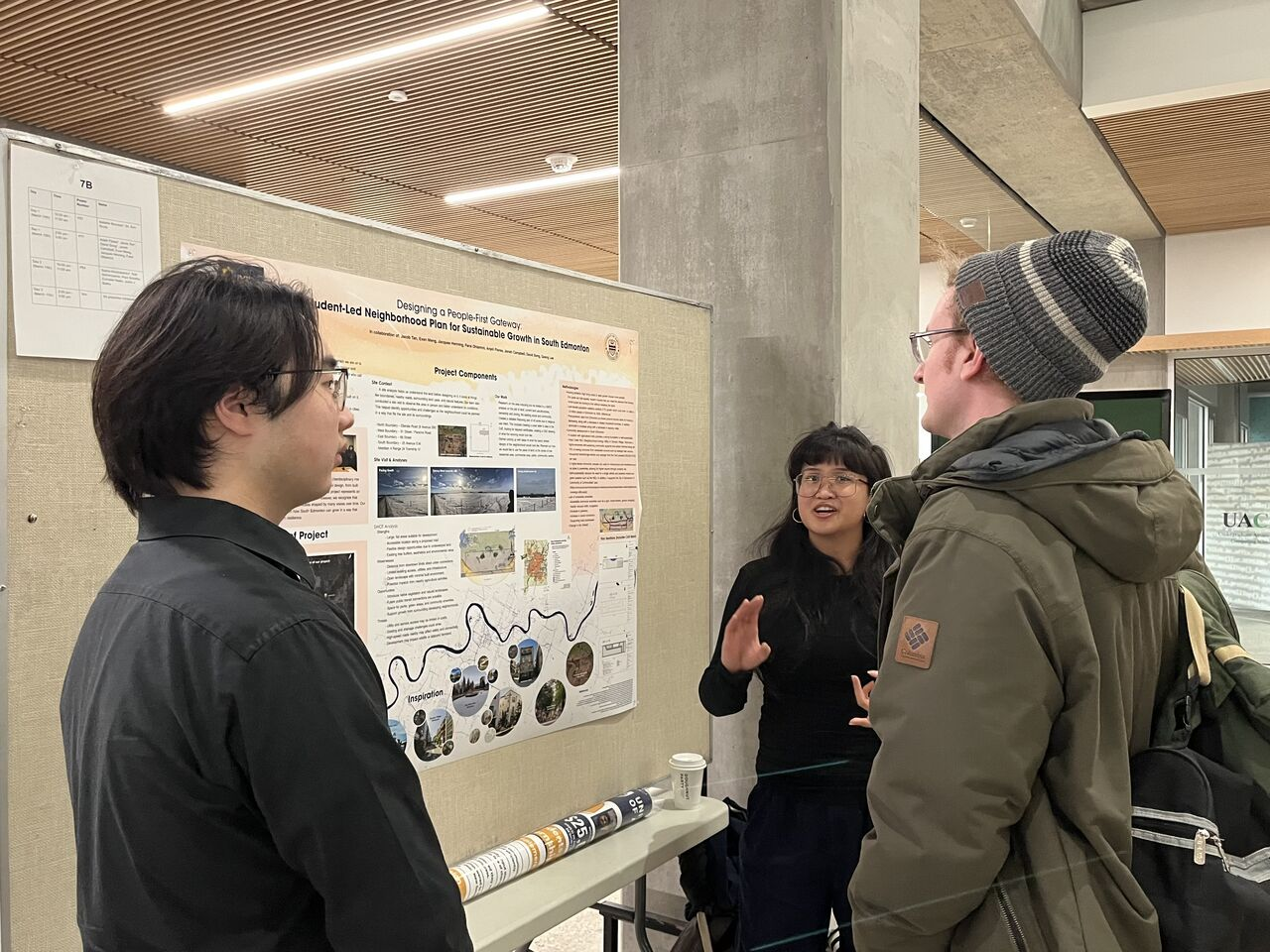
When students are given the opportunity to design, think through real constraints, and present to real stakeholders, the work becomes more grounded and more connected to the communities it is meant to serve.
This is especially important when we think about transit. Many of our projects explored transit-friendly neighbourhoods and community layouts. What became clear is that access to transit is shaped early. The way communities are designed determines whether people, especially youth, can move safely, independently, and reliably.
If we want to get youth on the bus, we need to think about how communities are planned in the first place.
Presenting at undergraduate research festivals and engaging with stakeholders, including city councillors, developers, and future residents, has also shown us that design does not stop at the drawing board. The ability to communicate ideas, foster dialogue, and involve the community is just as critical as the design process itself.
None of this would have been possible without the generous support of Get on the Bus. Their sponsorship played a crucial role in bringing our work to life, enabling us to produce high-quality posters and present our projects to a professional audience, allowing our team to showcase their efforts with pride and confidence.
I would like to extend a heartfelt thank you to Dan Hendry and the entire team for believing in what we are building. Your support goes far beyond financial assistance. It sends a powerful message to young people that their ideas matter, that their work is valued, and that they have a place in shaping the future of their communities.
In a world where youth involvement in planning, design, and transit-oriented development is often overlooked, your commitment stands out.
We are incredibly grateful for this partnership and excited about what lies ahead. Thank you for helping us turn ideas into impact.
Can see: https://www.instagram.com/civilconnectedmonton/ for two good photos